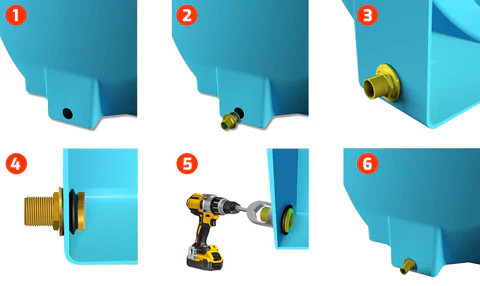
Stainless steel tank fittings play a vital role in ensuring the durability, efficiency, and safety of storage systems used across multiple industries. These fittings serve as the connection points, flow-control components, and protective elements that keep tanks functioning properly. Whether used for water storage, chemical processing, food production, pharmaceuticals, or industrial applications, stainless steel tank fittings are essential for maintaining structural integrity and fluid management. Companies like Rhino Tank Fittings offer high-quality solutions that support long-lasting performance and secure tank operations. As industries continue to demand reliable, hygienic, and corrosion-resistant components, stainless steel remains the top choice for tank fittings designed to handle both simple and complex storage needs.
The Role of Stainless Steel Tank Fittings in Industrial Applications:
Stainless steel tank fittings are engineered to provide strength, resistance, and reliability in environments that require constant contact with liquids, gases, or chemicals. Industrial facilities rely heavily on storage tanks for processing materials, maintaining supply systems, and supporting production lines. Because these tanks often carry substances that can cause corrosion or contamination, it is essential to use fittings that can withstand tough conditions. Stainless steel is preferred due to its superior resistance to rust, chemical reactions, and extreme temperatures. Its non-reactive properties make it ideal for storing volatile or sensitive materials without compromising quality or safety.
In industries such as manufacturing, food processing, cosmetics, oil and gas, pharmaceuticals, and agriculture, tank fittings are not just components—they are essential tools that ensure smooth operations. From drains and valves to couplings, gaskets, and nozzles, each fitting contributes to the overall stability and performance of industrial storage systems. Because stainless steel provides long-term durability, companies can reduce maintenance costs, improve operational efficiency, and maintain product purity.
Benefits of Using Stainless Steel for Tank Fittings:
Stainless steel is widely recognized for its excellent material properties, making it one of the most dependable choices for tank fittings. Its strength allows it to handle high-pressure environments without deforming or failing. In addition, its corrosion resistance helps prevent leaks, contamination, and structural damage over time. This is especially important in industries where tanks store corrosive chemicals, high-salinity liquids, or reactive substances.
Another major benefit is hygiene. Stainless steel has a smooth, non-porous surface that prevents the growth of bacteria, mold, and other contaminants. This makes it a top choice for food and beverage manufacturing, dairy production, pharmaceuticals, and other industries that require sanitary conditions. Stainless steel fittings are also easy to clean and sterilize, supporting strict hygiene standards.
Longevity is also a significant advantage. Because stainless steel fittings maintain their structural integrity over long periods, they reduce the need for constant replacements or costly repairs. This contributes to better performance and lower long-term operational expenses for industries that rely on large storage tanks.
Types of Stainless Steel Tank Fittings Commonly Used Today:
There are several types of stainless steel fittings used in modern storage systems, each designed to support specific functions and tank configurations. Common fittings include valves, which regulate the flow of liquids and gases; flanges, which provide secure connection points; nozzles, which allow controlled flow and access; and couplings, which connect different components such as pipes, hoses, or extensions. Other essential fittings include manways for tank access, clamps for securing connections, reducers for adjusting pipe sizes, and plugs or caps to seal openings.
Sanitary fittings, commonly used in food, beverage, and pharmaceutical industries, are specifically designed to support sterile environments. These fittings feature smooth surfaces, precise connections, and secure seals to prevent contamination. Industrial fittings, on the other hand, may have reinforced designs, thicker walls, or specialized coatings depending on the application.
Each type of fitting plays a critical role in maintaining tank efficiency, ensuring the flow of materials, and preventing leaks or operational failures. Selecting the right type of stainless steel fitting is essential for ensuring that the tank system meets industry standards and functional requirements.
Why Stainless Steel Tank Fittings Are Essential for Safety:
Safety is one of the most important factors in choosing tank fittings. Poorly manufactured or incorrect fittings can result in leaks, contamination, tank pressure issues, or environmental damage. Stainless steel fittings minimize these risks due to their durability and ability to withstand demanding operating conditions. Their resistance to corrosion ensures that chemicals or liquids do not deteriorate the metal over time, which could otherwise lead to dangerous leaks.
In high-pressure environments, stainless steel fittings maintain their structural stability, preventing deformation or sudden failures. This is particularly important in industries such as chemical processing, petrochemical operations, and manufacturing plants where any malfunction can lead to serious safety hazards. Stainless steel also minimizes contamination risks, making it suitable for industries where product purity and human safety are top priorities.
Enhancing Efficiency and Reliability with High-Quality Fittings:
Storage tanks are integral to many processes, and their performance depends heavily on the quality of the fittings used. High-quality stainless steel fittings enhance operational efficiency by ensuring smooth material flow, secure connections, and consistent functionality. This reduces the likelihood of downtime, maintenance interruptions, or contamination issues. Reliable fittings allow tanks to operate as intended, maintaining fluid pressure, temperature control, and cleanliness.
In addition, stainless steel fittings contribute to long-term cost savings. Their durability reduces the need for frequent replacements, while their efficiency minimizes waste and operational delays. By investing in reliable fittings, industries can maintain stable production levels, reduce risk, and extend the life of their storage systems.
Applications of Stainless Steel Fittings in Various Industries:
Stainless steel tank fittings are used across numerous industries due to their versatility and durability. In food and beverage manufacturing, they ensure clean, sanitary conditions for liquids and ingredients. In pharmaceuticals, they support sterile production environments that must meet strict regulatory requirements. In chemical processing and petrochemical plants, stainless steel fittings withstand aggressive substances and protect equipment from corrosion.
Agriculture also relies on stainless steel fittings for water supply systems, fertilizer storage, and livestock operations. The marine industry uses them due to their resistance to saltwater corrosion. Breweries, wineries, and dairy farms depend on stainless steel fittings to maintain product quality and consistency. Across these industries and more, stainless steel remains the preferred material for tank fittings because of its unmatched performance and reliability.
Choosing the Right Stainless Steel Tank Fittings for Specific Needs:
Choosing the right type of stainless steel fitting depends on the storage environment, tank size, material type, pressure requirements, and industry standards. Factors such as the grade of stainless steel, type of connection, and compatibility with stored materials must be considered. High-grade stainless steels, such as 304 and 316, are commonly used due to their exceptional corrosion resistance and durability.
Selecting the right fitting ensures that the entire storage system operates efficiently, safely, and within compliance requirements. Working with experienced suppliers helps ensure the fittings match the tank design and meet industry-specific needs.
Conclusion:
Stainless steel tank fittings are essential components that ensure the reliability, safety, and efficiency of storage systems in various industries. Their durability, corrosion resistance, hygienic properties, and long-lasting performance make them the preferred choice for modern tank designs. Whether used in food production, chemical processing, industrial operations, or agriculture, stainless steel fittings provide unmatched value and dependability. As industries continue to advance and prioritize safety and efficiency, high-quality stainless steel tank fittings will remain a fundamental part of effective storage infrastructure.