Introduction to london lockdown
When historians look back at the early 2020s, there will always be a special mention reserved for London. A city that thrives on energy, culture, movement, and noise suddenly found itself in a surreal stillness. The London lockdown wasn’t just a brief pause—it became a defining chapter in the modern identity of the UK’s capital. From red buses rolling near-empty down Oxford Street to pubs with their lights switched off, London experienced a transformation that none of us could have imagined.
The first announcement that London would shut down felt almost unreal. For Londoners, who are used to rushing from Tube to office, from school run to pub meet-ups, the idea of staying indoors for weeks felt dystopian. Yet, there it was: the government instructed everyone to stay home, except for essential activities. Overnight, routines built over decades were tossed aside, and new ways of living had to emerge.
And while restrictions came in stages—tightening, loosening, and tightening again—the collective memory of the London lockdown represents something far bigger than public policy. It marked a physical, emotional, and cultural overhaul. The axis shifted. People discovered new priorities and lost old patterns. And through it all, London reshaped itself—not by choice but by necessity.
The Calm Before the Silence – Life In London Just Before Lockdown
In the months before the pandemic hit the UK, London was buzzing the way it always does. The Tube was packed shoulder-to-shoulder every morning, especially along the Central and Jubilee lines. Tourists were everywhere—from Trafalgar Square to Camden Market—snapping photos, filling restaurants, and queuing outside West End theatres. Schools were busy, offices were full, and nobody had time to slow down.
Yet there were already subtle warning signs blowing in from abroad. News reports showed images of quieter cities in Asia and Europe, empty piazzas in Italy, and shuttered shops in Wuhan. People began whispering concerns in workplaces. Dinner conversations shifted. Some Londoners stocked up on essentials in advance, unsure what might come.
Even so, few believed London would ever stop functioning. It simply felt too big to shut down. The idea that something could halt a city that powers financial markets, global politics, media, fashion, food culture, and more seemed absurd. But that sense of invincibility didn’t last long.
Within days, office workers were told to take laptops home “just in case”. Schools talked about temporary closures. Sporting events were postponed. And then, in one government briefing, London changed. The lockdown began—not slowly like a dimming light, but abruptly, like someone pulling the plug on the city’s connection to the rest of the world.
Empty Streets and Quiet Skies – A City Transformed
If you ask a lifelong Londoner what they remember most vividly from the lockdown, one word comes up often: silence. London had never been silent before—not in wartime, not on holidays, not even during Tube strikes. Yet suddenly, it was.
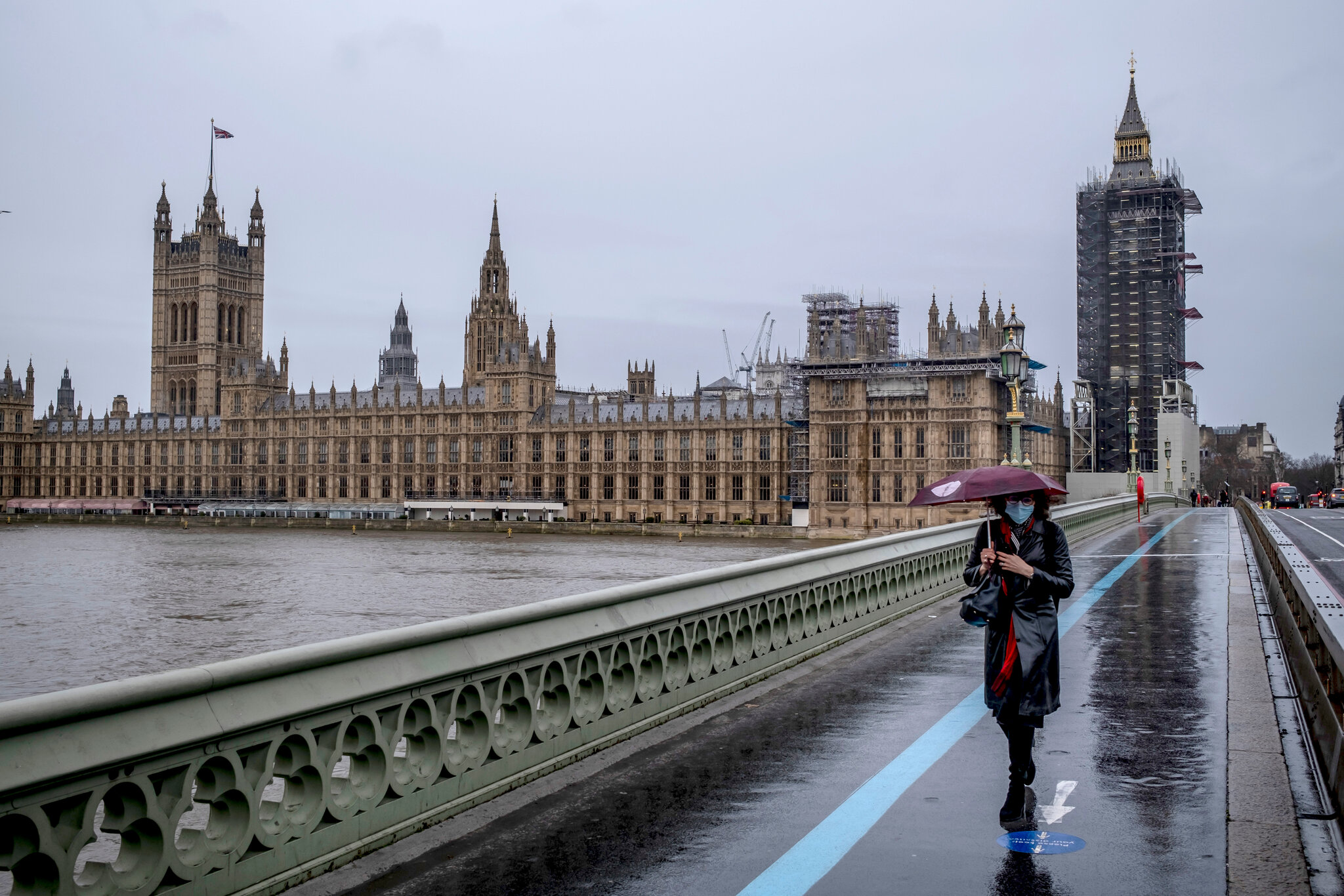
The streets that once overflowed with traffic became abandoned stretches of tarmac. Streets like Regent Street and Bishopsgate looked like early scenes from a disaster film—clean, orderly, and eerily deserted. Trafalgar Square, usually echoing with voices in dozens of languages, was empty enough to hear pigeons flapping their wings. Heathrow’s skies, typically buzzing with air traffic, felt strangely open and quiet without the constant stream of departing and arriving flights.
Even the Tube—the beating heart of London mobility—ran like a ghost service, mostly carrying health workers and a limited number of essential staff. Stations that normally funnel passengers like a living pipeline became echo chambers. Photographs from this period show escalators with no one riding, platforms without commuters, and trains with only one or two passengers per carriage.
This physical emptiness signaled something deeper. London is a city defined by density—of people, ideas, culture, and consumption. When all of that vanished, what was left behind was the city’s bare structure: the buildings, the bridges, the monuments, and the memory of movement rather than the movement itself. It was jarring, stunning, heartbreaking, and fascinating all at once.
How Londoners Adapted – Community, Creativity, and Survival
Londoners are famously private and independent—a stereotype with some truth to it. But when lockdown set in, something remarkable happened. The city’s people, often too busy to even learn their neighbors’ names, turned toward each other.
In every borough—from Kensington and Hackney to Croydon and Brent—new forms of connection formed almost overnight. WhatsApp groups popped up for every block, estate, and street. Neighbors shopped for elderly residents. Volunteers delivered medicine. People who barely exchanged nods before suddenly relied on one another.
Meanwhile, the digital world took over social life. Virtual Friday-night drinks replaced pub meet-ups. Zoom quizzes became a national obsession. Birthdays, weddings, and even funerals moved online. Apps that had never been more than occasional utilities suddenly became central to daily living.
Creativity didn’t just survive lockdown—it exploded. Musicians played from balconies. Artists painted murals on plywood-covered storefronts. London homes became makeshift recording studios, kitchens became bakeries, balconies became workout spaces, and gardens turned into sanctuaries. It was a period where people rediscovered hobbies, passions, and talents they hadn’t touched in years—or had never even known they had.
And yet, beneath the creativity was a strain. Londoners faced job losses, isolation, anxiety, and uncertainty. Businesses closed for good. Families were separated. Celebrations stalled. And the emotional toll grew month after month. But throughout it all, resilience became the unofficial spirit of the city.
The Economic Shock – From Bustling Business to Struggle and Reinvention
London may romanticize heritage, history, and character, but it runs on commerce. The economic impact of lockdown was immediate and colossal. Within weeks, thousands of businesses—small and large—temporarily shut their doors. Some reopened later, many never recovered.
The West End, once bursting with shoppers from all corners of the world, saw footfall collapse. Retail giants filed for administration. Theatres, a cultural jewel not just for London but globally, went dark for months. Actors, musicians, stagehands, and ushers suddenly found themselves out of work without certainty of when the lights would switch back on.
The hospitality sector took a devastating blow. London’s thousands of restaurants, pubs, cafés, and food stalls faced a nightmare scenario—no customers, packed inventory, and ongoing rent. Some reinvented themselves as delivery kitchens. Others built community support through takeaway services or voucher sales. But the losses were enormous, both financially and culturally.
Office life—long considered a hallmark of London’s identity—evaporated almost overnight. Canary Wharf, The City, London Bridge, and Paddington transformed from wall-to-wall crowds to half-populated ghost zones. Corporations discovered remote work wasn’t just possible, it was efficient. What many assumed would last a few weeks turned into months, reshaping workplace culture forever.
Yet, where some industries shrank, others emerged. E-commerce surged. Tech firms, digital services, and remote-work platforms flourished. London startups that solved lockdown challenges—logistics, contactless delivery, online education—grew at explosive speed. Even the classic corner shop found new power as people relied on local suppliers more than ever before.
The Human Story – Mental Health, Identity, and Reflection
Beyond the headlines and policy changes, the London lockdown produced profound human shifts. For many, the fast pace of life had long been both a privilege and a burden. London expects productivity, drive, ambition, and hustle. Slowing down wasn’t something people did voluntarily—it was forced upon them.
With days blending into each other, Londoners experienced something unfamiliar: introspection. Some found comfort in routines they had ignored—cooking, reading, exercising, learning. Others struggled profoundly with loneliness and uncertainty. For young Londoners living alone, studio flats suddenly felt like psychological prisons. For families in small homes, personal space became a luxury.
The biggest conversations weren’t just about infection curves or vaccines—they were about wellbeing. Friends checked on each other in ways they hadn’t before. Workplaces began acknowledging mental health more openly. The culture of burnout lost its glamour. The idea that “rest is earned” shifted into “rest is necessary.”
And perhaps most strikingly, London rediscovered nature. Parks—Hyde Park, Greenwich, Hampstead Heath, Richmond Park, Clapham Common—became the city’s new communal spaces. People walked, cycled, and picnicked more than ever before. Even the simple act of seeing open sky became meaningful. That connection with outdoor space has remained even after restrictions lifted.
The Return to Normal – Or Something Entirely New?
When restrictions finally began to lift, London didn’t simply snap back to its old rhythm. The reopening felt cautious, staggered, and surreal. Shops reopened first, then pubs and restaurants, and eventually schools and workplaces. Every reopening step was celebrated—but each came with unease. The city had changed, and so had the people living in it.
Office workers returned, but rarely five days a week. Remote work became a permanent fixture. Commuters split time between kitchens and offices. The hustle returned, but in a softer form. London adopted hybrid living without much debate—because it worked.
Cultural life revived as theatres flicked their lights back on, sports fans returned to stadiums, and markets came alive. But there was a newfound appreciation for the things Londoners previously took for granted: grabbing coffee without a mask, chatting with strangers, wandering freely through museums, and simply being together.
Areas that suffered economically began bouncing back, though not evenly. Some parts of the city reinvented themselves with independent businesses replacing old chains. Others are still recovering. But London’s long-term superpower has never been stability—it’s adaptability.
Lasting Lessons – What London Lockdown Taught the World
Looking back, the London lockdown offered several lessons that stretch beyond city limits.
1. A city’s strength isn’t just infrastructure—it’s people.
The most striking resilience came from ordinary citizens helping each other survive emotionally and practically.
2. Technology redefines possibility.
Remote work, digital classrooms, virtual communities—all proved scalable, effective, and sometimes even preferable.
3. Slowness is not failure.
In a city obsessed with efficiency, millions rediscovered the value of rest, reflection, and balance.
4. Local matters.
From corner shops to community parks, local London held the city together when global London broke temporarily.
5. Adaptability is the ultimate survival trait.
Whether you’re a business, a family, or an individual, flexibility was the difference between coping and drowning.
Conclusion:
The London lockdown will forever stand as one of the most unusual, unsettling, transformative periods in the city’s history. Yet through empty streets, silent skies, closed theatres, and isolated households, London’s spirit never disappeared—it simply shifted. The city paused, regrouped, reinvented, and re-emerged stronger in many ways.
London is now a little slower, a little wiser, and perhaps surprisingly, more connected—not physically, but emotionally and socially. Its citizens discovered a version of the city where community mattered as much as ambition, where neighbors became allies, and where personal wellbeing was no longer secondary to productivity.
The lockdown froze time, but it also forced growth.
And even in silence, London remained unmistakably London—resilient, diverse, creative, and endlessly determined to keep moving forward.