Instead of default answers, healthcare is starting to ask better questions. Treatment is being shaped by evidence and individual circumstance, not as a median point on an actuarial table. As personalised medicine spreads across modern care, medical cannabis has found a place inside that structure, defined less by debate and more by process, limits, and clinical judgement.
Healthcare has started to look less like a checklist and more like a series of choices that depend on who is sitting in front of the clinician. Genetic testing, tailored therapies and personalised care plans have changed how treatment is discussed. That shift has also reached areas that once felt fixed and inflexible. Medical cannabis now sits inside that same personalised framework, shaped by guidance, assessment, and product selection rather than broad assumptions.
Personalised Care Is Changing How Treatment Options Are Chosen
Personalised medicine works on the idea that not every patient starts from the same place. Doctors look at history, symptoms, tolerance and practical needs before deciding what fits. In that environment, Cannabis access clinics shows how medical cannabis has been pulled into a more structured system, where clinics are compared on regulation, prescribing standards, and patient experience rather than hype.
That kind of clarity changes the conversation. Instead of guessing or relying on hearsay, patients can see how different clinics operate and how decisions are made. The best medical cannabis stops being a vague concept and becomes part of a regulated healthcare choice, handled with the same care and scrutiny as other prescribed treatments.
Clinical Guidance Defines Where Medical Cannabis Fits
Personalised care still runs inside firm clinical boundaries. In the UK, those boundaries are shaped by guidance that sets out when cannabis-based medicines may be considered, how evidence is weighed and why specialist oversight is required. NICE guidance on cannabis-based medicinal products places medical cannabis alongside other treatments that need careful justification rather than casual trial.
That framework keeps decisions grounded. Prescribing is tied to clinical review, clear indications and ongoing assessment, which limits guesswork and keeps expectations realistic.
This means conversations and treatment options stay practical, not ideological. The focus remains on whether a treatment fits their situation, not on promises or trends. Within personalised medicine, guidance is the guardrail that keeps choice aligned with safety and responsibility.
Matching Delivery Formats to Individual Needs
Personalised medicine does not stop at whether a treatment is prescribed. It extends into how that treatment is delivered and how it fits into daily life.
Some patients need faster onset, others need controlled dosing and some need formats that work around work, family and the daily routine. The delivery method becomes part of the clinical decision rather than an afterthought.
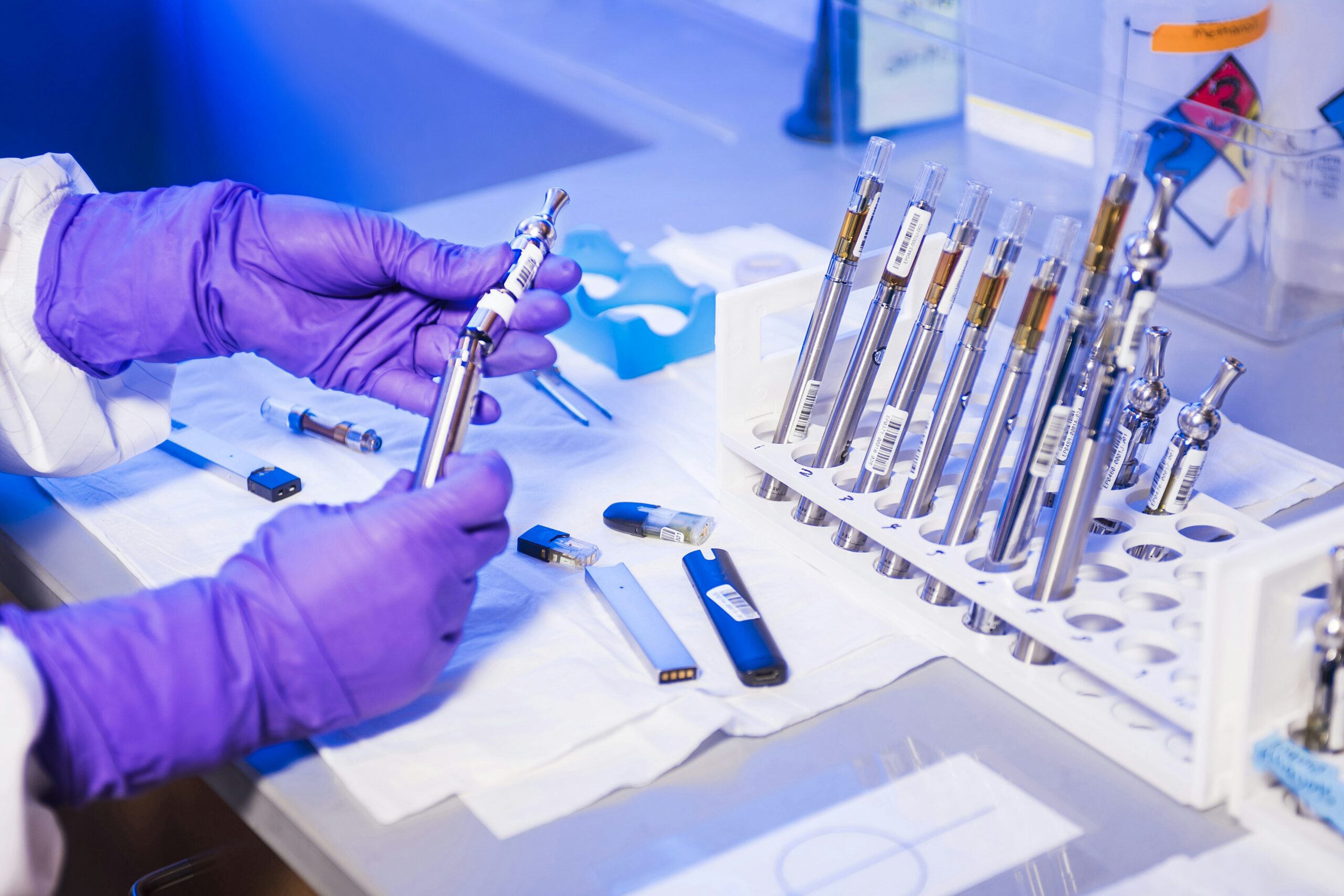
Within that context, UK THC vape products sit alongside oils and flower as one of several prescribed formats available through regulated clinics. The choice depends on medical assessment, not preference alone. Clinicians consider how a product is used, how consistently it can be taken, and how it fits the patient’s treatment plan. That approach reflects personalised care in practice, where form and function are weighed together.
Licensing and Regulation Shape What Can Be Prescribed
Personalised care still sits inside a legal framework that defines what doctors can prescribe and how products reach patients. In the UK, cannabis-based medicines are treated as controlled and unlicensed products, which places clear responsibilities on prescribers and pharmacies.
The drug licensing factsheet on cannabis, CBD and other cannabinoids sets out how these products are classified and why oversight is required at every step.
That structure limits choice, but in a beneficial way. It ensures products meet regulatory standards, prescriptions are justified and patient safety stays central to the cause. For someone navigating treatment options, this creates a clear boundary between medical care and consumer products, keeping personalised decisions anchored in regulation rather than assumption.
Personalised Medicine Is Reshaping Wider Healthcare Models
Personalised medicine is already changing how care is delivered across healthcare, from genetic testing to treatment planning that reflects individual biology and circumstance. The same development shows up in mainstream coverage of how tailored approaches are moving healthcare away from blanket protocols and toward patient-specific decisions. Medical cannabis fits into that wider pattern rather than sitting apart from it.
This approach reshapes expectations. Treatment becomes a series of informed choices guided by evidence, regulation and review, not a one-size-fits-all answer applied to everyone. When personalised models are taken seriously, newer therapies are assessed by how well they integrate into existing care systems. That keeps innovation grounded and helps patients understand where each option belongs within modern healthcare.
Where Personalised Care Leaves the Patient
Personalised medicine has moved healthcare away from blanket answers and toward decisions shaped by real lives. Medical cannabis now sits inside that shift, guided by assessment, regulation and careful product selection rather than assumption.
This brings much needed clarity to patients. Treatment choices are discussed in context and weighed against other options, and reviewed as needs change. That does not promise certainty, but it does offer structure.
In a system built around personal fit instead of broad rules, newer treatments earn their place by working within the same standards as everything else.