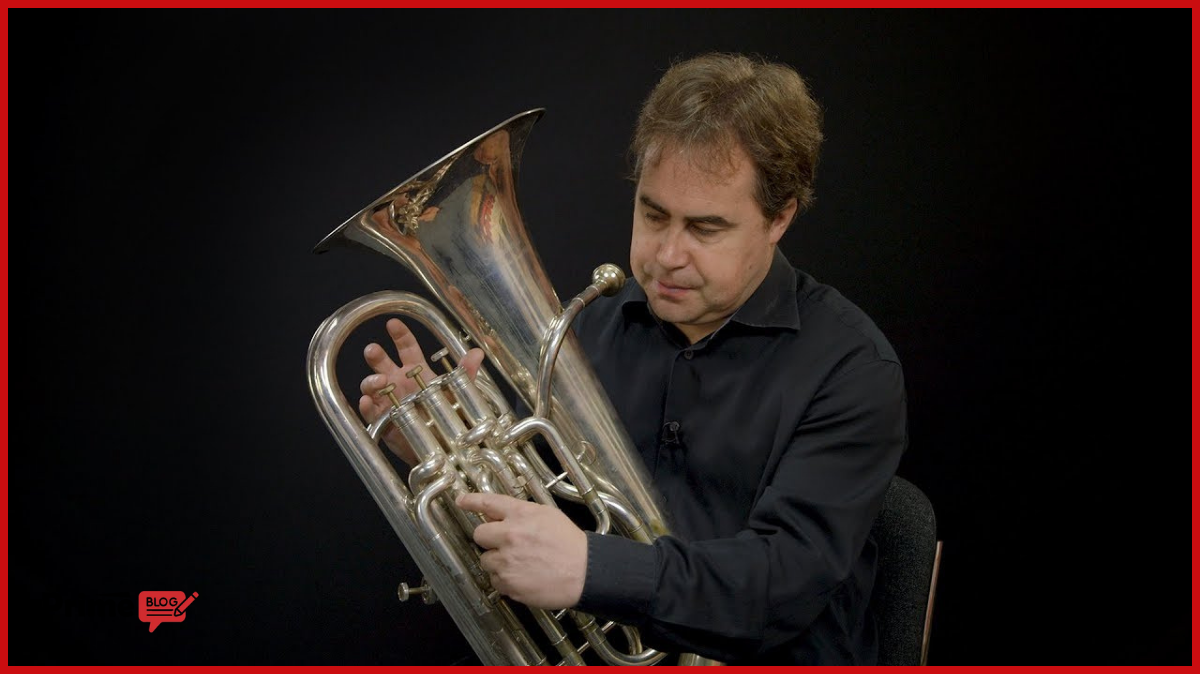
What Is a Euphonium?
The euphonium is a brass instrument known for its warm, rich, and mellow sound. It belongs to the low-brass family and is often compared to instruments such as the tuba and trombone. While it may not be as widely recognized as a trumpet or saxophone, the euphonium plays an essential role in concert bands, brass bands, and military ensembles around the world.
The name “euphonium” comes from a Greek word meaning “sweet-sounding” or “pleasant voice.” This description perfectly captures the instrument’s tone. Unlike some brass instruments that produce a bright or piercing sound, the euphonium offers a smooth and lyrical voice that can blend beautifully with other instruments while also standing out during solos.
Physically, the euphonium resembles a small tuba. It features a conical bore, meaning the tubing gradually widens from the mouthpiece to the bell. This design contributes significantly to its characteristic sound. Most modern euphoniums are equipped with three or four valves that allow musicians to play a wide range of notes with accuracy and flexibility.
The History and Development of the Euphonium
The euphonium has a fascinating history that dates back to the nineteenth century. It emerged during a period when instrument makers were experimenting with new brass designs and valve systems. The invention of valves revolutionized brass instruments, allowing musicians to play chromatic notes more easily than ever before.
During the early 1800s, several instruments were developed that eventually led to the modern euphonium. European instrument makers played a major role in refining these designs. As brass technology improved, the euphonium gained popularity because of its expressive tone and versatility.
By the late nineteenth century, the euphonium had become a standard member of military bands and brass bands across Europe and North America. Its ability to perform both melodic and harmonic roles made it invaluable to composers and conductors. Today, it remains a respected instrument in educational programs, professional ensembles, and solo performances worldwide.
Unique Features That Make the Euphonium Special
One of the most distinctive features of the euphonium is its tone quality. Musicians often describe its sound as warm, velvety, and singing. This unique voice allows the instrument to perform lyrical melodies that might be difficult to achieve on some other brass instruments.
Another notable characteristic is its wide range. Skilled players can perform notes that extend from deep, resonant lows to surprisingly high registers. This flexibility enables the euphonium to adapt to many different musical styles, from classical compositions to contemporary arrangements.
The instrument is also known for its expressive capabilities. Because of its smooth tone and responsive design, musicians can create dynamic contrasts, subtle phrasing, and emotional interpretations with relative ease. These qualities have made the euphonium a favorite among solo performers who enjoy showcasing its vocal-like qualities.
How the Euphonium Is Played
Playing the euphonium requires proper breathing, embouchure control, and finger coordination. Like other brass instruments, sound is produced by buzzing the lips into a mouthpiece. The vibration created by the lips travels through the instrument’s tubing and emerges as a musical tone.
Breath support is particularly important for euphonium players. Since the instrument requires a substantial amount of air, musicians must develop strong breathing techniques. Good airflow helps produce a full, rich sound and allows players to sustain long musical phrases comfortably.
The valves are used to change pitch by redirecting air through additional tubing. By combining different valve patterns, players can access the instrument’s complete range of notes. Regular practice helps musicians develop accuracy, speed, and confidence when navigating complex passages.
The Euphonium in Different Musical Settings
The euphonium is most commonly associated with concert bands and brass bands. In these ensembles, it often serves as a bridge between higher brass instruments and lower bass voices. Its warm tone helps create a balanced and cohesive sound throughout the group.
Military bands have long relied on the euphonium for its versatility and projection. Whether performing ceremonial music, marches, or concert repertoire, the instrument contributes both melodic and harmonic depth. Many famous military ensembles feature skilled euphonium sections that play a significant role in their overall sound.
The euphonium is also gaining recognition in solo performance settings. Composers have written numerous concertos, sonatas, and solo pieces specifically for the instrument. Modern performers continue to expand its repertoire by exploring jazz, film music, and contemporary compositions, demonstrating that the euphonium is far more versatile than many people realize.
Learning the Euphonium: A Great Choice for Musicians
For students interested in brass instruments, the euphonium can be an excellent choice. Its relatively comfortable playing position and forgiving tone production make it approachable for beginners. Many music educators recommend it to students who want to develop strong musical fundamentals.
Learning the euphonium also provides opportunities to participate in a variety of ensembles. School bands, youth orchestras, community bands, and brass groups often welcome euphonium players. Because there are typically fewer euphonium players than trumpet or flute players, students may find additional opportunities for leadership and performance.
Consistent practice is the key to success. Developing breath control, tone quality, and technical skills takes time, but the rewards are substantial. As players progress, they often discover that the euphonium offers a unique combination of power, beauty, and expressive freedom.
Famous Euphonium Players and Their Influence
Throughout history, several outstanding musicians have helped elevate the status of the euphonium. These performers have demonstrated the instrument’s remarkable capabilities through recordings, concerts, and educational efforts. Their work has inspired generations of aspiring players.
Professional soloists have expanded the instrument’s repertoire by commissioning new works and performing challenging compositions. Their achievements have shown audiences and composers that the euphonium is capable of extraordinary musical expression and technical brilliance.
In addition to performers, dedicated teachers and educators have played an important role in promoting the instrument. Through masterclasses, instructional materials, and mentorship, they continue to help students develop their skills and appreciation for the euphonium.
Why the Euphonium Continues to Thrive
The enduring popularity of the euphonium can be attributed to its distinctive sound and versatility. While it may not always receive the same level of attention as some other instruments, musicians and audiences consistently appreciate its rich tonal qualities and expressive potential.
Modern instrument manufacturing has further enhanced the euphonium’s appeal. Advances in design and craftsmanship have improved intonation, response, and overall playability. As a result, today’s performers can achieve higher levels of precision and artistry than ever before.
The growth of online education, social media, and international music communities has also helped raise awareness of the euphonium. Players can now connect with teachers, performers, and enthusiasts from around the world, sharing knowledge and celebrating the instrument’s unique qualities.
Conclusion
The euphonium is one of the most beautiful and expressive instruments in the brass family. With its warm tone, impressive range, and remarkable versatility, it continues to play an important role in bands, ensembles, and solo performances around the world. Its rich history and ongoing development have secured its place as a respected and cherished musical instrument.
Whether you are a beginner exploring your first brass instrument or an experienced musician seeking a new challenge, the euphonium offers countless opportunities for artistic growth and musical enjoyment. Its sweet, singing voice truly lives up to its name, making it an instrument that continues to captivate performers and audiences alike.