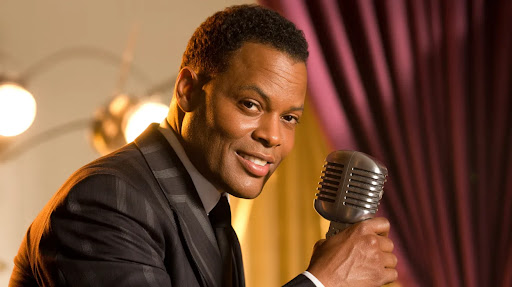
Introduction to charles anthony vandross
When people talk about the Vandross name, the spotlight almost always lands on Luther Vandross, one of the greatest soul and R&B vocalists of all time. His voice, his emotional depth, and his musical perfection have been analyzed endlessly. But behind every iconic figure is a foundation that helped shape them long before fame ever arrived. In Luther’s case, one of those foundational figures was his father, Charles Anthony Vandross.
Charles Anthony Vandross did not live his life in the public eye, nor did he chase recognition. Yet his influence, values, and presence played a meaningful role in the family environment that ultimately nurtured one of music’s most unforgettable voices. This article explores Charles Anthony Vandross not as a celebrity, but as a man whose life, character, and quiet strength left a lasting imprint on his family and, indirectly, on modern music history.
Understanding the Man Behind the Name
Charles Anthony Vandross was known primarily as the father of Luther Vandross, but defining him only through that lens does a disservice to his individuality. Like many men of his generation, Charles lived a grounded, working-class life focused on providing stability, discipline, and moral guidance for his family. He belonged to an era where success was measured less by fame and more by responsibility.
There is limited public documentation about Charles Anthony Vandross, which itself says something important. He was not a man who sought attention or recognition. Instead, his legacy exists through the values he passed down and the household he helped shape. This kind of legacy often goes unnoticed, yet it is foundational in the development of confidence, resilience, and creative ambition in children.
Charles lived during a time when African American families in the United States faced systemic challenges, economic limitations, and social barriers. Navigating these realities required strength, patience, and determination. Men like Charles Anthony Vandross carried enormous responsibility, often without acknowledgment, ensuring that their families could move forward with dignity and hope.
Family Life and Personal Values
At the core of Charles Anthony Vandross’s life was his role as a family man. He was married to Mary Ida Vandross, a woman who would later become widely known for her deep musical influence on her children, particularly Luther. Together, they built a household rooted in structure, mutual respect, and aspiration.
Charles’s approach to fatherhood reflected traditional values common to his generation. He believed in discipline, consistency, and accountability. These qualities are often echoed in the work ethic Luther Vandross later displayed throughout his career. Perfectionism, attention to detail, and professionalism do not appear overnight; they are usually cultivated early, often at home.
The Vandross household emphasized the importance of education and self-respect. While music played a major role in the family, it existed alongside clear expectations about behavior and responsibility. Charles Anthony Vandross understood that talent alone was not enough to succeed in the world, especially for young Black men growing up in mid-20th-century America.
The Social and Historical Context of His Life
To fully appreciate Charles Anthony Vandross, it is important to understand the time in which he lived. He was part of a generation shaped by segregation, limited economic mobility, and social inequality. Opportunities were not evenly distributed, and progress often came slowly and at great personal cost.
Men like Charles were expected to be strong, dependable, and emotionally reserved. Vulnerability was rarely encouraged, yet emotional depth often found expression through family commitment and personal sacrifice. This cultural framework likely influenced how Charles expressed love and guidance within his household.
Living in this environment meant that Charles had to prepare his children for a world that could be harsh and unforgiving. Instilling resilience, self-discipline, and pride was not optional; it was essential. These lessons, though subtle, played a significant role in shaping the mindset that allowed Luther Vandross to navigate the pressures of fame later in life.
Relationship With Luther Vandross
The relationship between Charles Anthony Vandross and his son Luther was one of influence rather than public collaboration. Charles was not directly involved in the music industry, but his presence as a father shaped the man Luther would become long before the first record deal.
Luther Vandross was known for his meticulous nature, his respect for tradition, and his commitment to excellence. These qualities often reflect a childhood environment where standards were clear and expectations were high. Charles’s role in enforcing structure likely helped Luther develop the discipline required to master his craft.
While Mary Ida Vandross is often credited with introducing music into the home, Charles provided balance. He represented stability, realism, and grounding. This combination of creative encouragement and practical discipline created a powerful foundation that allowed Luther to dream big while staying rooted in reality.
The Importance of Quiet Influence
One of the most compelling aspects of Charles Anthony Vandross’s story is how quietly his influence operated. In a culture that often celebrates loud success and public recognition, his life reminds us that some of the most important contributions happen behind the scenes.
Charles did not write songs, perform on stage, or give interviews. Yet without the environment he helped create, the world might never have experienced Luther Vandross’s artistry in the same way. This kind of influence is difficult to measure, but its impact is undeniable.
Quiet influence is often rooted in consistency. Showing up every day, fulfilling responsibilities, and modeling integrity can shape a child’s worldview more powerfully than words. Charles Anthony Vandross embodied this principle through his actions rather than declarations.
Legacy Beyond Fame
The legacy of Charles Anthony Vandross is not defined by wealth, awards, or public acclaim. Instead, it is defined by continuity. His values lived on through his children, particularly through Luther’s approach to life and work.
Legacy does not always require a name in history books. Sometimes it exists in the way someone treats others, the standards they uphold, and the strength they pass down. Charles’s legacy is one of quiet endurance, responsibility, and fatherly presence.
In many ways, Charles represents countless fathers whose contributions are rarely acknowledged. They work, sacrifice, and guide without expectation of recognition. Yet their influence shapes future generations in profound and lasting ways.
Cultural Significance of Father Figures Like Charles Vandross
Charles Anthony Vandross stands as a symbol of a broader cultural reality. In many African American families, fathers have historically played crucial yet underrepresented roles in nurturing talent, discipline, and ambition. Their stories are often overshadowed by more visible narratives.
Recognizing figures like Charles helps expand our understanding of success. It reminds us that greatness is rarely an individual achievement. It is usually the result of collective effort, sacrifice, and guidance passed down through generations.
By examining Charles’s role, we gain a deeper appreciation for the unseen frameworks that support artistic excellence. It shifts the conversation from individual genius to shared responsibility and family resilience.
Lessons We Can Learn From His Life
There are several meaningful lessons embedded in the life of Charles Anthony Vandross. One of the most important is the value of presence. Being consistently present, even without grand gestures, can profoundly shape the people around you.
Another lesson is the importance of balance. Charles helped create a household where creativity and discipline coexisted. This balance is often the difference between talent that fades and talent that endures.
Finally, his life teaches us that impact does not require visibility. You do not need applause to matter. You only need to invest sincerely in the people and responsibilities entrusted to you.
Why Charles Anthony Vandross Still Matters Today
In an era dominated by social media, instant recognition, and public validation, the story of Charles Anthony Vandross feels especially relevant. His life challenges modern definitions of success and reminds us that influence is not always loud or immediate.
For parents, mentors, and leaders, Charles’s example reinforces the idea that your everyday actions matter. The guidance you provide today may shape outcomes you never personally witness.
For fans of Luther Vandross, understanding Charles adds depth to the appreciation of Luther’s music. It provides context, grounding the artistry in a real family story shaped by love, discipline, and resilience.
A Legacy Rooted in Humanity
Ultimately, Charles Anthony Vandross was a man who lived with purpose, even if that purpose was never publicly celebrated. His humanity, commitment, and quiet strength form the backbone of his legacy.
He reminds us that behind every celebrated figure are individuals whose names may never trend or headline, yet whose influence is woven into the fabric of greatness. Charles’s life stands as a testament to the enduring power of fatherhood, responsibility, and moral grounding.
In remembering Charles Anthony Vandross, we are not just honoring one man. We are acknowledging all the unseen pillars who make extraordinary achievements possible through ordinary, consistent acts of care and guidance.
Conclusion:
Charles Anthony Vandross may never be widely known, but his significance cannot be overstated. His life represents the foundational role of family, discipline, and quiet strength in shaping enduring success.
While history often celebrates the voice on the stage, it is equally important to remember the steady presence at home. Charles was that presence, and through him, his influence continues to echo far beyond his own lifetime.