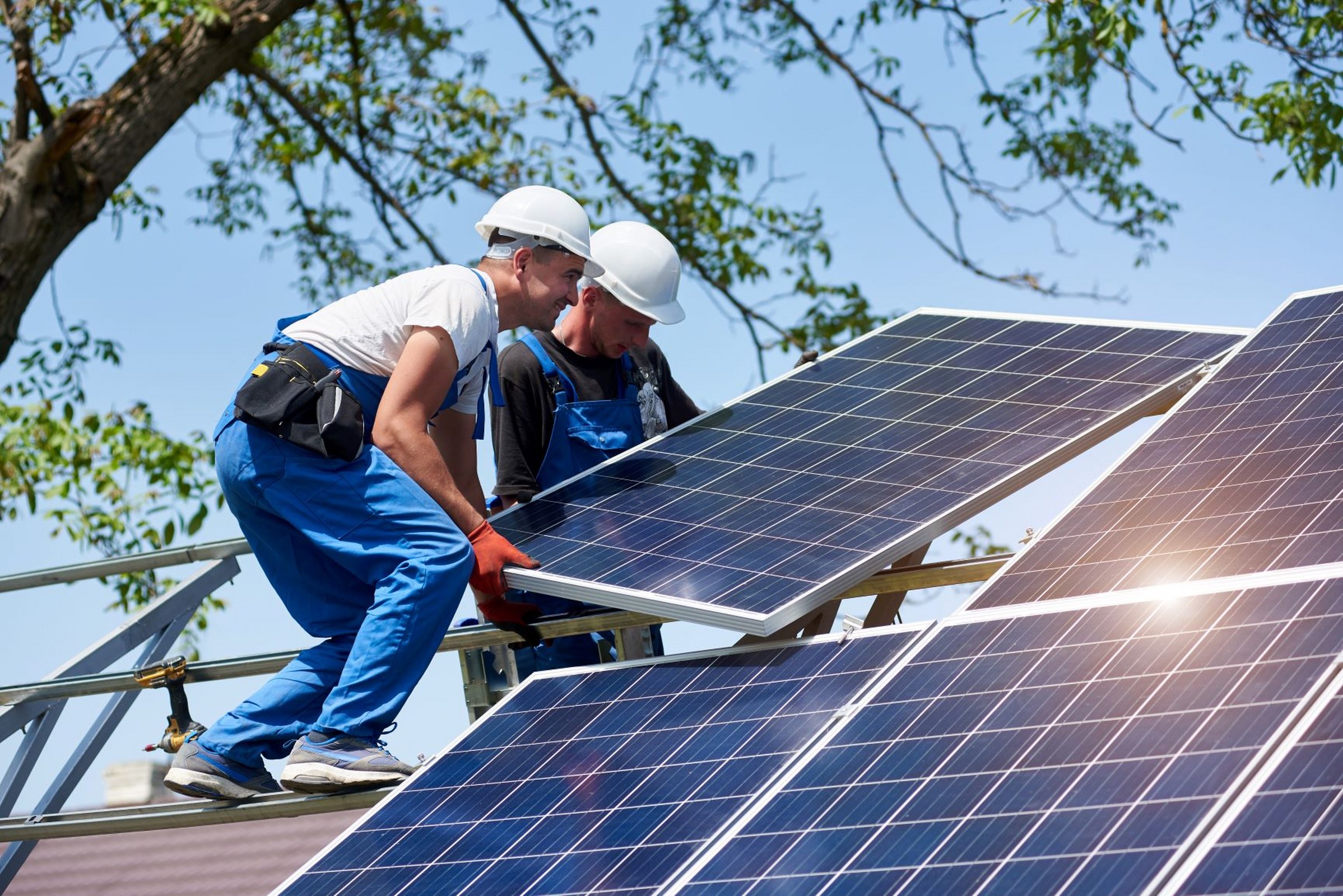
If you live in Oxfordshire, you may be considering solar panels as a way to reduce household energy bills and lower your carbon footprint. Domestic solar has become an increasingly practical option as electricity prices fluctuate and homeowners look for longer-term energy resilience.
Installing solar panels is a significant decision, and understanding how system design, expected output, and practical constraints apply locally is essential. Factors such as roof orientation, shading, planning rules, and grid connection all influence whether solar is suitable for your property and how well it will perform.
Key Takeaways
- Not every property is equally suited to solar, but many Oxfordshire homes can achieve strong results
- Roof orientation, shading, and structure have a direct impact on system performance
- Output varies throughout the year and should be assessed realistically
- Financial returns depend on system design, self-consumption, and export payments
- Professional assessment is essential for compliance and long-term reliability
The Solar Potential in Oxfordshire
Oxfordshire benefits from relatively good solar conditions by UK standards. While it does not experience the highest solar irradiance nationally, it receives consistent daylight hours across the year, making domestic solar systems viable for many property types.
Oxfordshire’s Climate and Solar Irradiance
Oxfordshire has a temperate climate with moderate rainfall and relatively stable seasonal temperatures. While cloud cover is common, solar panels generate electricity from daylight rather than direct sunlight alone, allowing systems to perform reliably throughout much of the year.
Summer months provide strong generation potential, while winter output is lower but still contributes meaningfully to household electricity demand when systems are correctly sized.
Seasonal Variations in Solar Energy
Solar generation varies significantly across the year due to changes in daylight hours and sun angle. This variation is normal and should be factored into system design rather than viewed as a limitation.
| Season | Average Solar Irradiance (kWh/m²/day) | Energy Generation Potential |
| Spring | 4.2 | Moderate |
| Summer | 5.5 | High |
| Autumn | 3.1 | Moderate |
| Winter | 1.8 | Low |
Well-designed systems account for this seasonality by focusing on annual output rather than peak summer performance alone.
Solar Adoption in Oxfordshire
Over the past decade, Oxfordshire has seen steady growth in domestic solar adoption. Rising energy costs, improved panel efficiency, and greater awareness of long-term savings have all contributed to increased uptake across both urban and rural areas.
Battery storage adoption has also increased locally, allowing households to make better use of daytime generation rather than relying solely on grid export.
Success Stories from Local Installations
Many households across Oxfordshire report meaningful reductions in electricity bills following solar installation. For example, properties in towns such as Abingdon and Witney have achieved significant self-consumption by pairing solar panels with battery storage, reducing reliance on grid electricity during evenings and peak-rate periods.
Domestic Solar Panels in Oxfordshire: An Overview
Choosing domestic solar panels in Oxfordshire involves selecting a system that aligns with your property, energy usage, and future plans. Understanding the available technologies helps ensure the system delivers realistic and sustainable benefits.
Types of Solar Panel Systems Available
Domestic solar systems in Oxfordshire typically differ based on the type of photovoltaic cells used and whether battery storage is included. Each option offers trade-offs between efficiency, cost, and space requirements.
Monocrystalline vs Polycrystalline Options
Monocrystalline panels generally offer higher efficiency and better performance in lower light conditions, making them well suited to UK homes with limited roof space. Polycrystalline panels are usually more affordable but require more roof area to achieve the same output.
The right choice depends on available roof space, budget, and aesthetic preferences rather than efficiency alone.
Key Components of a Residential Solar Setup
A residential solar system consists of multiple components that work together to generate, convert, and manage electricity within the home.
Inverters, Batteries and Mounting Systems
Inverters convert the electricity generated by panels into a form suitable for household use. Battery systems store excess energy for later consumption, improving self-consumption rates and reducing grid reliance.
Mounting systems secure panels safely to the roof and are designed to withstand long-term exposure to wind and weather. The quality of these components directly affects system longevity and maintenance requirements.
| Component | Description | Importance |
| Solar Panels | Convert sunlight into electricity | High |
| Inverters | Convert DC power to AC | High |
| Batteries | Store excess energy | Medium |
| Mounting Systems | Secure panels to the roof | High |
When assessing costs, these components should be considered together rather than in isolation.
Solar Panel Design Considerations for Oxfordshire Properties
System design plays a critical role in determining how effectively solar panels perform over time. Local architecture, planning restrictions, and roof characteristics must all be considered.
Roof Orientation and Pitch
South-facing roofs typically deliver the highest output, but east- and west-facing roofs can still provide strong results when systems are sized correctly. Roof pitch also affects performance, with angles between 30 and 40 degrees generally producing balanced annual output in Oxfordshire conditions.
Aesthetic Integration with Local Architecture
Oxfordshire features a mix of historic stone buildings and modern developments. Solar panel design must account for visual impact, particularly in areas where property appearance is closely regulated.
Low-profile panels and discreet mounting systems are often used to minimise visual disruption while maintaining performance.
Listed Buildings and Conservation Areas
Properties within conservation areas or listed buildings face additional planning constraints. Installations may require specific approvals, alternative panel placements, or heritage-appropriate designs to comply with local requirements.
Working with Planning Authorities
Engaging with local planning authorities early helps avoid delays and ensures installations meet local expectations. Experienced installers can guide homeowners through this process and prepare the necessary documentation.
Expected Output and Performance in Oxfordshire Conditions
Understanding expected performance helps homeowners set realistic expectations and assess long-term value.
Average Energy Generation Throughout the Year
Energy generation in Oxfordshire follows a predictable seasonal pattern:
- Summer: Highest output due to longer daylight hours
- Winter: Reduced output, though systems still contribute to baseline demand
- Spring and Autumn: Moderate, consistent generation
Annual output is a more reliable performance indicator than peak summer figures alone.
Efficiency Factors in the Local Climate
Local temperature, cloud cover, and daylight consistency influence panel efficiency. Solar panels generally perform well in cooler conditions, meaning Oxfordshire’s moderate climate can support stable efficiency across much of the year.
Dealing with Shade and Weather Patterns
Shading from trees, chimneys, or neighbouring buildings can significantly reduce output if not addressed during design. Site assessments identify shading risks, and system designs may incorporate optimisers or micro-inverters to reduce performance losses from partial shading.
Monitoring and Optimising Your System’s Output
Modern monitoring systems allow homeowners to track generation, usage, and exports in real time. Monitoring helps identify faults early and supports adjustments to energy usage habits that improve self-consumption and overall savings.
Common Constraints for Solar Panel Installation
Despite strong potential, solar installation in Oxfordshire is not without limitations. Some of these limitations are:
- Planning Permission Requirements
Most domestic solar installations fall under permitted development rights. However, listed buildings and conservation areas often require additional approvals, which can affect panel placement or design.
- Oxfordshire-Specific Regulations
Local authorities may impose aesthetic or placement requirements to preserve architectural character. These regulations influence system design rather than preventing installation entirely.
- Structural Limitations
Roofs must be structurally sound and capable of supporting panel weight. Older properties may require surveys or minor reinforcement before installation can proceed safely.
- Grid Connection Challenges
Grid connection capacity can vary depending on location. In some cases, export limits or network upgrades may be required, which can affect system design or timeline.
Conclusion: Making the Right Solar Decision for Your Oxfordshire Home
Domestic solar panels can be a strong long-term investment for many Oxfordshire homeowners when systems are designed realistically and installed professionally. The county’s climate, combined with improving technology, supports reliable annual generation.
By understanding design considerations, output expectations, financial factors, and local constraints, homeowners can make informed decisions. Also, working with experienced, accredited installers ensures systems are compliant, efficient, and suited to the specific demands of Oxfordshire properties.
FAQ
What are the benefits of installing solar panels on my Oxfordshire property?
Installing solar panels can significantly reduce household electricity bills by allowing you to generate and use your own power. Solar also lowers reliance on fossil fuels, helping reduce your home’s carbon footprint and exposure to future energy price rises. In many cases, properties with solar panels are more attractive to buyers, particularly as energy efficiency becomes a stronger consideration. You may also earn income by exporting surplus electricity to the grid through schemes such as the Smart Export Guarantee.
Do I need planning permission to install solar panels on my Oxfordshire home?
In most cases, planning permission is not required for domestic solar panels, as they fall under permitted development rights. However, additional approval is usually needed for listed buildings or properties within conservation areas, where visual impact and heritage considerations apply. It is always advisable to confirm planning requirements early, as this can influence panel placement and system design.
What is the Smart Export Guarantee (SEG), and how does it work?
The Smart Export Guarantee requires licensed electricity suppliers to pay homeowners for surplus electricity exported to the grid. Payments are made per unit of electricity exported, with rates varying between suppliers. SEG income supplements bill savings rather than replacing them, meaning systems designed to maximise self-consumption generally deliver the greatest overall value.
Are there any grants or incentives available for solar panel installations in Oxfordshire?
There are currently no direct grants specifically for solar panel installations in Oxfordshire. However, homeowners can benefit from the Smart Export Guarantee and reduced VAT on qualifying solar installations. In some cases, local authorities or regional schemes may offer low-interest loans or support for broader energy-efficiency upgrades, which can complement solar investment.
How do I monitor and optimise my solar panel system’s performance?
Most modern solar systems include monitoring software that tracks electricity generation, household usage, and exports in real time. This data helps homeowners understand how the system is performing and identify any unexpected drops in output. Optimisation often involves adjusting energy usage habits, such as running appliances during daylight hours, and addressing issues like shading or debris on panels.
What are the key components of a residential solar panel system?
A typical residential solar system includes solar panels, an inverter to convert electricity for household use, mounting systems to secure panels to the roof, and sometimes a battery for energy storage. Each component plays a role in overall system performance and reliability. Your installer will design a configuration that suits your property, energy usage, and future requirements rather than relying on a one-size-fits-all setup.