Introduction to francis bourgeois
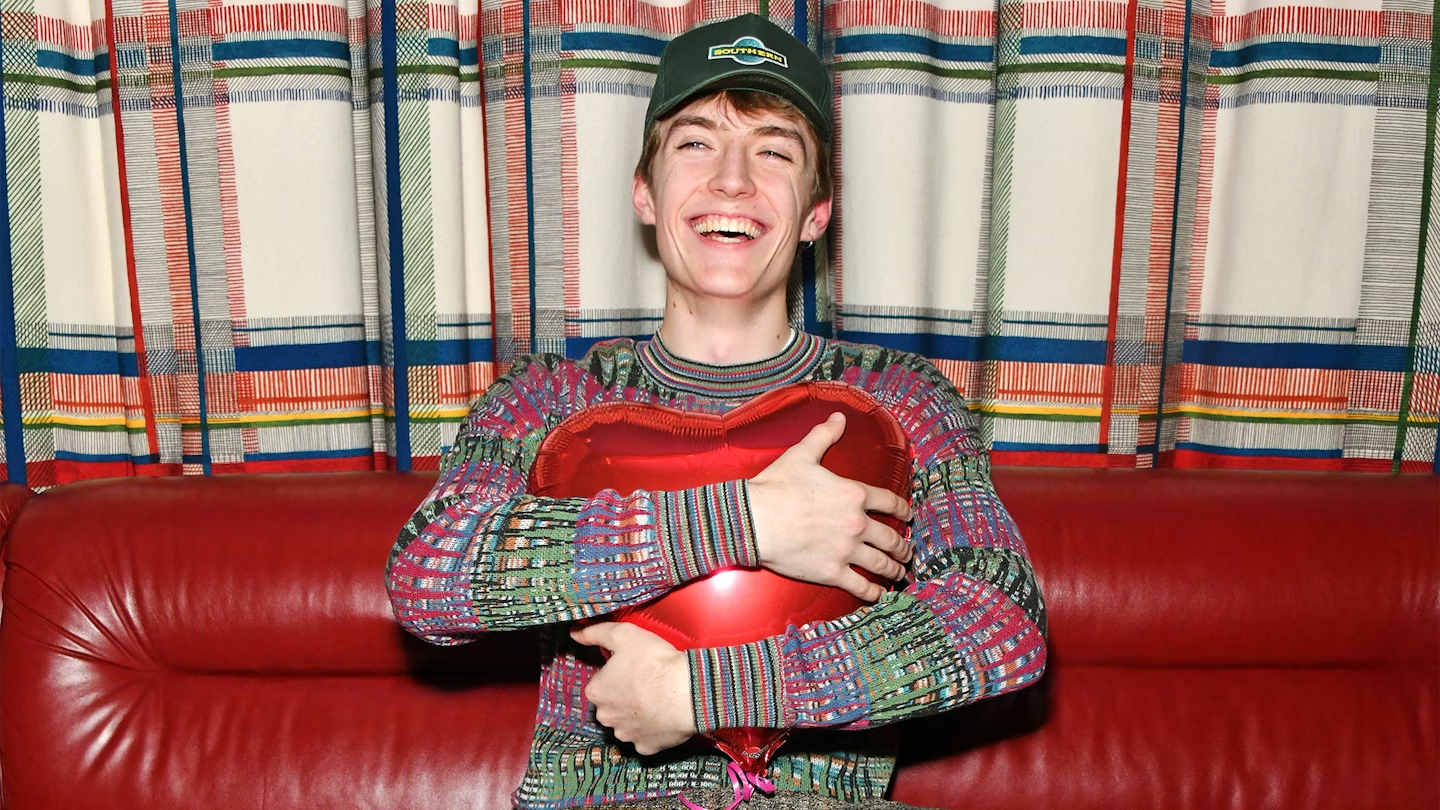
If you opened TikTok anytime in the last few years, chances are you’ve stumbled across a smiling young man in a high-visibility vest, sprinting down a platform as a freight train thunders past. That man is Francis Bourgeois. Born Luke Nicholson, Bourgeois became the face of modern trainspotting—a hobby once thought dusty and niche, suddenly reborn as the internet’s favourite wholesome obsession.
What makes Bourgeois compelling isn’t only his subject matter; it’s that he radiates a kind of sincerity rarely seen online. Social media tends to reward exaggeration, cynicism, or glamorous lifestyles, yet here is someone gaining millions of followers from simply loving trains with every fibre of his being. His videos—which often show him laughing, shrieking with excitement, or giving earnest commentary—cut through the noise by being raw and emotionally honest.
His persona didn’t spring from nowhere. Growing up in Somerset, Bourgeois spent much of his childhood near railway bridges and platforms, watching locomotives pass. Trainspotting became a sanctuary—a hobby that grounded him during transitions at school and later university. But what started as a personal refuge exploded into global attention almost overnight once he took that passion online.
The most charming part? He never needed to adapt or mold himself to social media trends to succeed. Francis Bourgeois simply recorded the experience of loving something deeply and shared it with the world. The result: millions of strangers cheering for a guy gasping with delight at a Class 66 roaring by.
The Rise: From GoPro Clips to National Television
Francis Bourgeois’ digital ascent is one of the most interesting case studies in modern internet culture. When he began filming videos, he used a GoPro strapped to his head—giving viewers a fisheye, close-up view of his facial expressions. That angle quickly became iconic. You don’t just see the train; you see Francis’ joy, unfiltered and contagious.
TikTok provided the perfect platform for his clips. Short-form video rewards authenticity and lightning-fast emotional connections—something Bourgeois delivers effortlessly. One day he was just another university student posting niche hobby content; within months he had millions of followers, brand deals lining up, and media outlets scrambling to profile him.
Legacy media took notice as well. He appeared on television, collaborated with train companies, and even produced content for The Guardian and Channel 4. What was once a solitary pastime became a performance that people actively sought out. His rise also illustrates a shifting cultural appetite. Audiences appear increasingly drawn to personalities steeped in sincerity—people who care deeply about something, no matter how obscure.
What’s more remarkable is that nothing about Francis Bourgeois feels manufactured. Even as his audience grew, he filmed the same kinds of moments: spotting rare locomotives, riding historic trains, and explaining railway mechanics in plain language. He avoided the trap many online personalities fall into—he didn’t inflate, dramatize, or sensationalize himself. He doubled down on what made him special: enthusiasm and curiosity.
As his platform expanded, opportunities diversified. Bourgeois didn’t stay confined to TikTok; he launched a book, developed documentaries, and partnered with iconic brands like Gucci and The North Face. The collaborations were surreal and delightful—unexpected mashups that demonstrated how cultural boundaries have blurred. A trainspotter modeling high fashion might sound contradictory, but it worked because he brought the same authenticity with him.
Why Francis Bourgeois Matters: A Cultural Reset
The story of Francis Bourgeois feels like a much-needed antidote to exhaustingly curated online culture. In an era where influencers often lean into perfection—filters, luxury lifestyles, or trend-chasing—Bourgeois reminds us that passion is magnetic. His success signals a broader shift: people crave honesty, warmth, and unpretentious storytelling.
Trainspotting itself gained a renaissance because of him. Suddenly, young people were inspired to visit stations, learn locomotive model numbers, and explore obscure train lines—things that once belonged exclusively to rail enthusiasts or retirees. Bourgeois didn’t only entertain; he reframed a hobby. He transformed it from something quiet and hidden into a social, communal, and even stylish interest.
His appeal also intersects with nostalgia. Railways symbolize adventure, history, and movement—physical and emotional. During uncertain global times, trains represented motion when life felt stuck. Bourgeois tapped into that subconsciously. Watching him shout with glee at a passing locomotive isn’t just funny—it feels comforting and grounding, like reliving childhood wonder.
On another level, his rise champions individuality. He embodies the idea that you shouldn’t bury the things you love to fit in. Bourgeois openly discussed how he once suppressed his interest in trains to seem more socially acceptable during school. Reclaiming that love—and thriving—sent a powerful message: authenticity can be liberating and rewarding.
Finally, Francis Bourgeois inadvertently became an ambassador for railways at a time when discussions about environmental sustainability are gaining urgency. Rail travel is one of the most climate-friendly forms of transport. Making railways “cool” does more than entertain—it encourages a shift toward greener travel and infrastructure appreciation.
What’s Next? The Future of Francis Bourgeois
The fascinating question is where Francis Bourgeois goes from here. Many viral figures fade when novelty wears off, but Bourgeois seems built for longevity. His niche isn’t a gimmick—it’s rooted in expertise, joy, and storytelling. That gives him room to grow beyond short-form video.
Long-form content already suits him well; documentaries allow him to explore history, engineering, and culture more deeply. A future television series tracking railway journeys internationally would feel like a natural expansion. Imagine Bourgeois documenting sleeper trains in India, high-speed technology in Japan, or steam locomotives in South Africa—each experience filtered through that trademark grin.
Beyond media, he may play a role in railway preservation movements. The UK is rich with heritage lines and volunteer-run railways; attention from someone with his audience could boost funding, tourism, and awareness. He could also become a public advocate for modern rail expansion, especially as the UK and Europe grapple with modernisation, electrification, and network upgrades.
There’s also room for Francis Bourgeois in education. A generation discovering trains through TikTok might want to learn more—not just watch. Books, classroom content, and museum partnerships could naturally follow. His ability to explain technical details in a friendly, accessible format makes him uniquely valuable in STEM outreach.
Ultimately, the most likely future is one where Bourgeois continues to evolve while holding onto the essence that made him loved. Whether he’s collaborating with musicians, exploring abandoned rail tunnels, or just filming a Class 158 passing on a misty morning, people will still show up. Because the real draw is not just trains—it’s the joy of watching someone live their passion fully and unapologetically.
Conclusion:
Francis Bourgeois is more than a TikTok personality or a quirky viral moment. He represents a cultural milestone—a reminder that sincerity still resonates, and that niche passions can find global audiences when expressed with heart. His journey has transformed trainspotting from a quiet pursuit into a community-rich, celebratory movement.
By being unashamedly himself, he not only found success but also gave others permission to embrace what makes them happy. The world didn’t just fall in love with trains; it fell in love with the feeling of enthusiasm made visible. Wherever the tracks take Francis next, his legacy is already well on the way: proof that joy is contagious, hobbies matter, and authenticity still has a place in the fast-moving digital landscape.