Introduction to hugh keevins
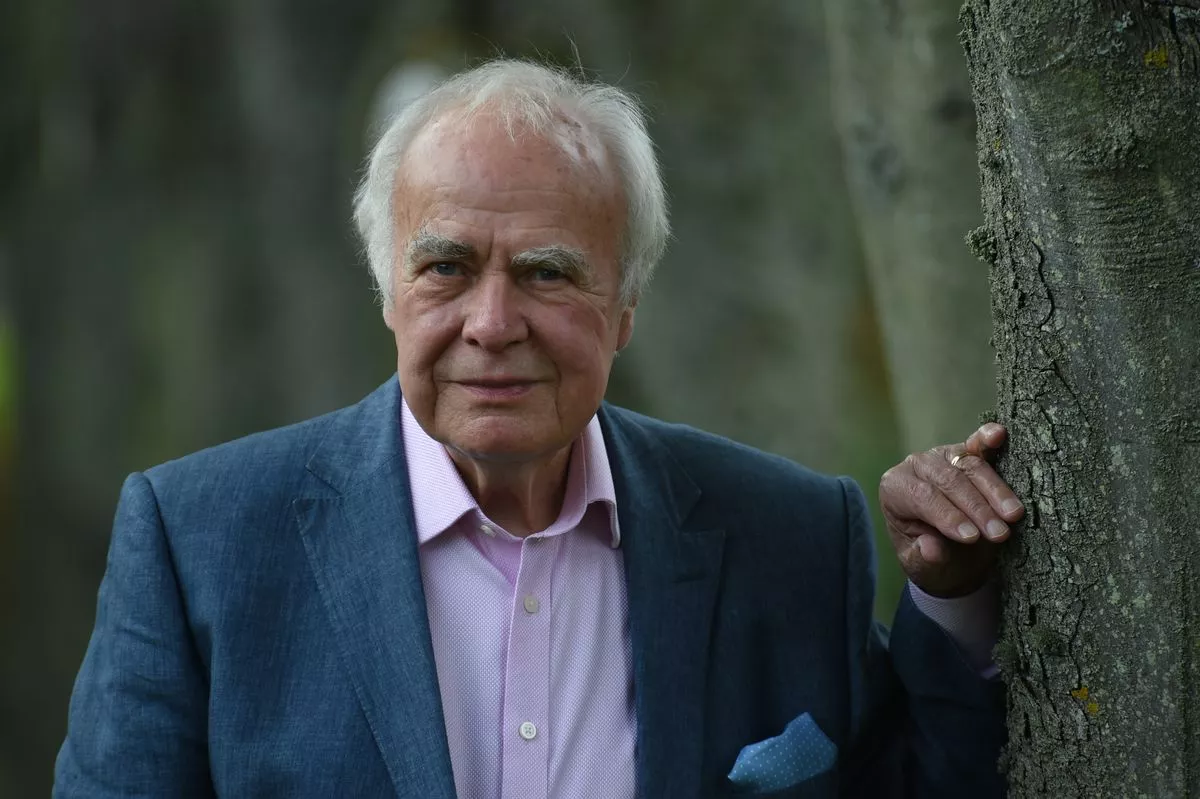
Hugh Keevins is one of those figures in Scottish football media who inspires both admiration and eye rolls in equal measure. A veteran journalist and pundit, Keevins has spent decades carving out a reputation for passionate opinion, sharp wit, and occasionally contentious commentary. To some, he’s a voice of seasoned expertise; to others, a provocateur who stirs the pot just for the sake of it. Regardless of where you stand, there’s no denying his influence on how football — especially Celtic matches, rivalries, boardroom decisions, and fan culture — are discussed across Scotland and beyond.
In this article, we’ll explore his early life and career, his work as a football journalist, his style and controversies, his impact on fans and media, and what his legacy might look like moving forward.
1. Early Life and Beginnings
Roots in Scottish and Football Culture
Hugh Keevins’ exact early personal history, including his childhood and education, isn’t widely documented in public sources — and perhaps that’s fitting for a man who became known not for where he came from, but for what he says and how he says it. What we do know is that he grew up in Scotland, a nation where football isn’t just a sport but a cultural force intertwined with identity, community, and history. This environment undoubtedly shaped his perspectives, his passion for the game, and his comfort with strong opinions — traits that would define his professional life.
In Scotland, football isn’t a pastime; it’s a conversation starter, a source of pride and frustration, and sometimes even a family tradition passed down through generations. Growing up in such an environment — whether as a supporter himself or as someone who absorbed the culture around him — must have laid the groundwork for a career deeply rooted in the world of Scottish football journalism.
It was this context — Scottish football’s intensity and emotional weight — that helped mold Keevins into a commentator who doesn’t shy away from bold statements. His voice grew out of a football culture that rewards passion and understanding, and which often punishes neutrality.
Entering the Media World
Hugh Keevins’ media career truly began to take shape when he became involved with the Daily Record, a major Scottish newspaper. Over the years he established himself as a sports writer and columnist, known for covering football with a blend of experience, insight, and personality.
What sets journalists like Keevins apart from many others is not just longevity but the confidence to speak as if he has lived every major moment in Scottish football history — even when others might prefer cautious neutrality. He didn’t simply report news; he interpreted it, often loudly and with flair.
But that bold approach — while engaging and entertaining — also set him up for moments of disagreement with clubs, fans, and even fellow journalists. In many ways, his beginning in the media foreshadowed both the admiration and criticism he would attract.
A Personal Commitment to Football
Behind the public persona is someone who clearly cares about football beyond just headlines. Keevins’ writing reflects a lifelong immersion in the game — a belief not just in scores and statistics but in football as a living story. Whether discussing tactical decisions, managerial changes, or fan reactions, his work emphasizes the emotional heart of Scottish football.
This emotional connection is a double-edged sword. It makes his commentary compelling because he writes from a place of feeling and history, but it also means he sometimes approaches topics with a combative or subjective edge. Yet, throughout his trajectory, that edge didn’t disappear. Instead, it became a defining feature of his media presence.
2. Career as a Football Journalist
The Daily Record Years
For decades, Hugh Keevins was a familiar byline in the Daily Record, one of Scotland’s leading newspapers. As a columnist and football writer, he covered everything from transfer windows to derby days, from managerial controversies to boardroom decisions. Football journalism isn’t always about breaking news; it’s about telling the stories behind the news — and Keevins excelled at that.
His columns weren’t dry summaries of matches. They were opinionated, often personal reflections on what the game meant to fans, clubs, and the country. This style helped him resonate with readers who wanted more than just straightforward reporting. They wanted someone willing to question conventions and offer honest — sometimes brutally honest — opinions.
Of course, this approach sometimes drew pushback from fans who disagreed with his assessments. But controversy often keeps a columnist relevant, especially in football, where opinions are as passionate as the supporters themselves.
Broadcasting and “Superscoreboard”
Beyond print, Hugh Keevins became a regular voice on radio punditry, particularly through shows like Clyde 1 Superscoreboard. On air, he brought his written voice to life — gruffer, louder, and unfiltered. Lists of his on-air comments include a wide range of sporting debates, from tactical analyses to barbed criticisms.
On radio, things move fast. Opinions are offered in real time, and listeners respond immediately — often calling in to agree or disagree. This live format heightened Keevins’ public presence and amplified both his insights and his controversial remarks.
One of the things fans noticed in his broadcasting was his willingness to make bold predictions — and occasionally eat his words. In one widely reported incident, after doubting a team’s ability to recover from a poor result, Keevins received a cake inscribed with his exact quote, delivered live on air as a humorous reminder that pundits sometimes get things wrong.
Moments like that show Keevins’ human side — that behind the opinionated pundit is someone who understands the humor and unpredictability of football, even when he’s on the receiving end of good-natured ribbing.
Influence Across Media Platforms
Beyond print and radio, Keevins’ work circulates widely. He’s appeared on platforms like MSN UK, the Sunday Mirror, Scotland on Sunday, and others. His words reach audiences that span casual fans to hardcore followers, and his commentary often becomes a talking point on traditional and social media alike.
This cross-platform presence means that even when fans disagree with him, they are still talking about him — which, in modern media, is part of what keeps a commentator prominent.
3. His Style: Bold, Blunt and Sometimes Controversial
One of the most striking features of Hugh Keevins’ public persona is his bold, unapologetic style. He writes and speaks as if he’s having a direct conversation with the reader or listener — not just reporting facts, but interpreting them with personality.
Fearless Opinions
Keevins doesn’t shy away from strong opinions. When he thinks something needs to be said, he says it — even if it draws criticism from fans, clubs, or media critics. This trait can be both refreshing and infuriating. It’s refreshing because many pundits play it safe, repeating clichés and avoiding tough stances. Keevins does the opposite. He’s unafraid to challenge conventional wisdom or poke holes in widely held beliefs.
For example, he has criticized Celtic’s transfer dealings, arguing that the club brought in mediocre talent while letting key players go — a direct challenge to how the club’s leadership wanted to be perceived publicly.
These kinds of frank assessments appeal to readers who are tired of bland commentary. They want someone willing to call things as they see them.
Controversial Takes and Fan Reactions
At the same time, his willingness to speak boldly has not always endeared him to fans. There are numerous occasions when his comments sparked backlash from supporters who felt misunderstood or unfairly criticized.
For instance, on “Superscoreboard,” he once described a team as “arrogant and complacent” after a loss, which triggered strong reactions online from supporters who felt he was too harsh. These kinds of moments illustrate the tension between a pundit’s honest view and fans’ emotional attachment to their clubs.
Another example comes from his commentary on fan protests and media coverage — where he argued that fans sometimes don’t really understand journalism, a statement that ignited passionate debate among supporters.
Such episodes show that Keevins doesn’t just report on football; he engages with its culture, and that engagement is sometimes polarizing.
Humor and Humanity
Despite the controversies, there’s a human side to Keevins that fans sometimes forget. The cake incident mentioned earlier — where he literally ate his own words — highlights this. He didn’t shy away or pretend it didn’t happen. Instead, he shared it with humor among his grandchildren — a moment of levity that humanized him in a way few pundits ever do.
This blend of serious commentary and self-aware humor makes his presence in the media more interesting and relatable. He knows football is emotional, unpredictable, and sometimes downright silly — and he brings that awareness into his work.
4. His Relationship with Fans and Clubs
A Love-Hate Dynamic
Perhaps the most fascinating aspect of Keevins’ presence in Scottish football media is his love-hate relationship with fans and clubs. On one hand, many respect his depth of knowledge and decades of experience. On the other, his blunt observations often clash with fans’ emotional investments.
Celtic supporters, for instance, have sometimes appreciated his insight into club matters, especially when he expresses admiration for historical figures associated with the team. When Celtic great John “Yogi” Hughes passed away, Keevins paid affectionate tribute, showing his connection to the history and legacy that means so much to fans.
Yet other times, when he’s sharply critical — calling out decisions by club boards or questioning player performance — fans respond with frustration and rebuttal. This push-and-pull creates an ongoing dialogue between Keevins and the supporters he covers — sometimes respectful, sometimes combative.
Bans, Criticism, and Media Access
Keevins’ frankness hasn’t always kept him in tight circles with clubs’ media departments. In earlier years, he found himself banned from Celtic press events — not because he was unwelcome, but because his blunt commentary frustrated club officials.
Such episodes highlight a broader tension in sports journalism: clubs want controlled communication and favorable coverage, while journalists like Keevins seek to interpret and critique without constraint. That tension is part of what makes his career interesting — he didn’t just accept the media norms of cautious reporting. He challenged them.
Across Rivalries
Keevins isn’t just a voice for one club. He’s commented broadly on Scottish football rivalries, including insights about Rangers and other teams. This broad reach expands his influence but also exposes him to fans from multiple sides of the passionate Celtic-Rangers divide — one of football’s most heated rivalries.
His perspective isn’t always flattering to every side, which means he can irritate one camp while earning grudging respect from another. But in football media, that’s often the price of being a distinctive voice.
5. Legacy and Influence
A Voice That Won’t Be Ignored
After decades in the game, what will Hugh Keevins’ legacy be? It’s clear that he has left an imprint — not necessarily a universally loved one, but a memorable and significant one.
He represents a style of journalism that values opinion, emotion, and experience over sterile neutrality. In a media landscape where many voices sound alike, Keevins’ stands out because it is confident, personal, and engaged with the culture around him.
More Than Just a Journalist
Hugh Keevins is more than a reporter — he’s a storyteller. Whether he’s analyzing boardroom decisions, sharing a heartfelt memory, mocking his own predictions, or stirring controversy, he engages with football not as a spectator but as a lifelong participant in its narrative.
His influence extends beyond match reports. He shapes conversation, provokes debate, and challenges fans to think — even if they often disagree with him.
What the Future Holds
Football media is evolving. Social platforms, podcasts, and fan-driven media are reshaping how football is discussed. In that changing world, figures like Hugh Keevins remind us of the value of experience and perspective — especially from someone who has seen decades of football’s highs and lows.
Whether future generations remember him for his sharp insights, his controversial takes, or his humorous humility, they will remember someone who cared deeply about the sport and wasn’t afraid to say so — loudly, clearly, and often without apology.
Conclusion:
Hugh Keevins’ career is a testament to the power of voice in sports journalism. He didn’t just report on football; he engaged with it, challenged it, and sometimes enraged the very fans he covered. Yet through all of that, he remained a consistent, passionate presence — one whose commentary reflects not just facts, but the emotional heartbeat of Scottish football.