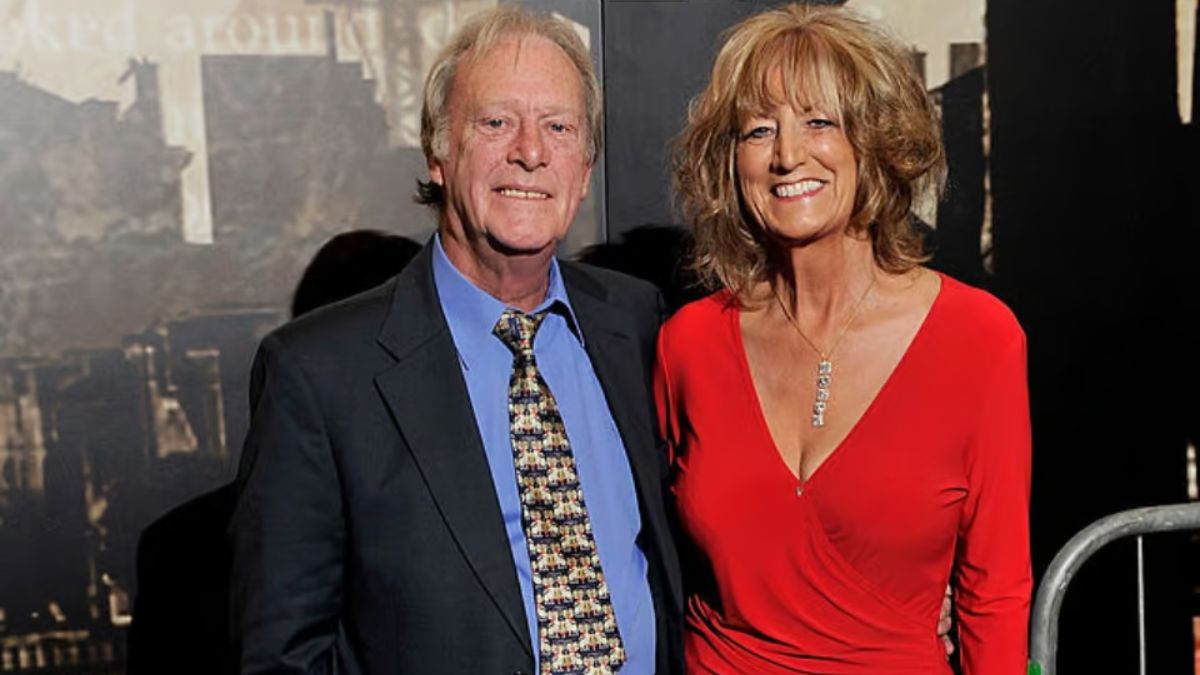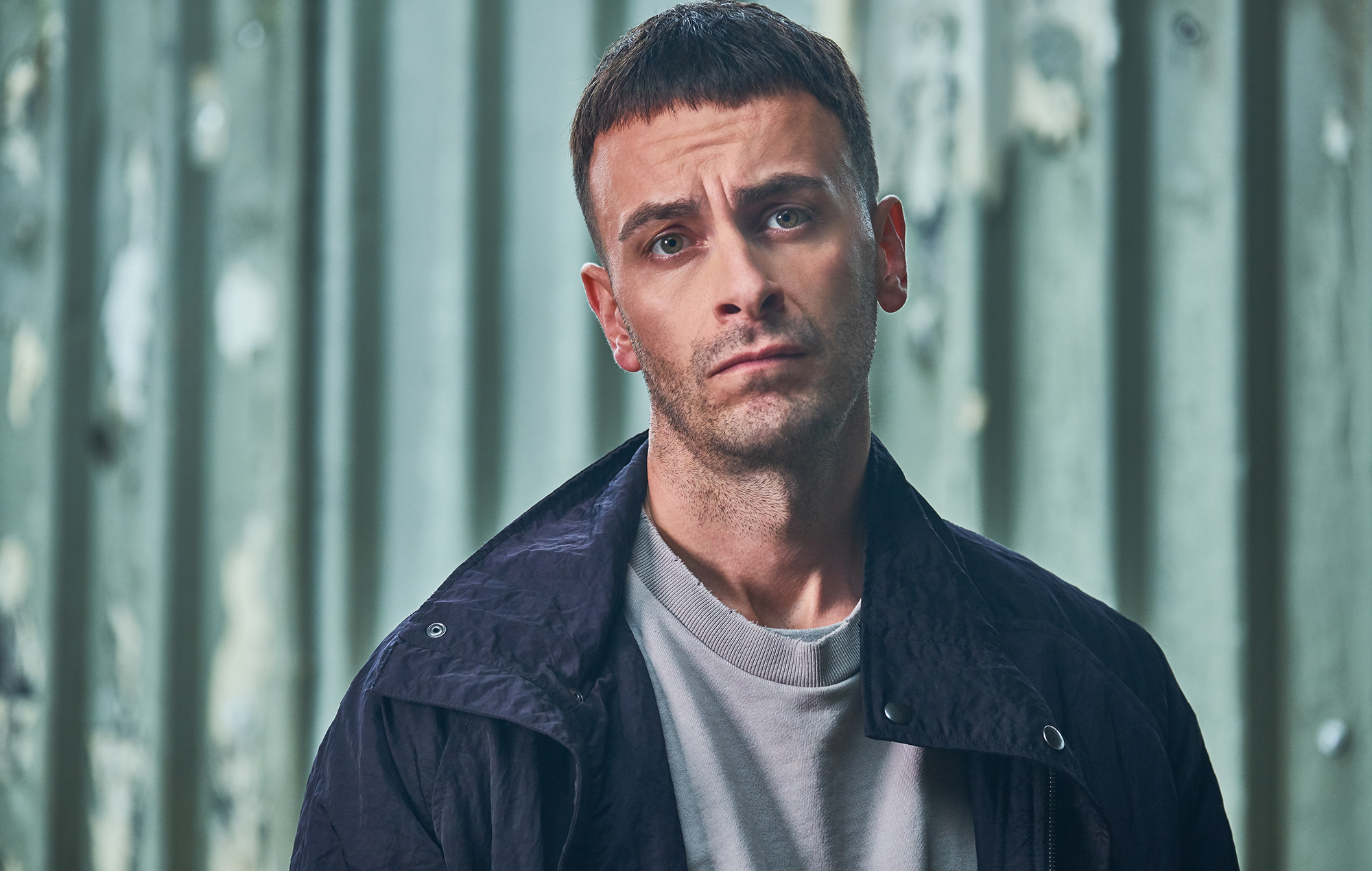
Introduction to Joe Gilgun
Joe Gilgun’s journey begins in Lancashire — born and raised in the gritty, working-class surroundings that would eventually seep into his acting DNA. Unlike many actors who stumble into performance through industry connections, Joe’s entrance into the craft felt Joe Gilgun almost accidental. As a child, he was encouraged to explore drama not because he was destined for stardom, but because it was a place where his energy and imagination had room to run wild. That unfiltered fire, still visible today, came from a place rooted in raw experience rather than polished upbringing.
Growing up, Gilgun’s childhood was filled with the chaos, humor, and survival instincts many working-class British kids understand instinctively. School wasn’t his sanctuary; life was complicated and unpredictable, and drama class became the outlet Joe Gilgun through which he could express himself without judgment. It’s impossible to separate the formative years from the creative powerhouse he later became. Those years shaped his tone, his instincts, and every character he would later embody. They gave him honesty—something that can’t be taught in acting school.
But perhaps the most defining part of Joe Gilgun’s early life was understanding emotional turbulence much earlier than most. navigating mental health from childhood wasn’t a silent background detail—it shaped his voice. His willingness to speak about ADHD, anxiety, and depression later in life makes perfect sense when you look back. He wasn’t performing because he wanted to be famous; he was performing because it soothed something inside him, and eventually, it became his superpower.
Breakthrough With “This Is England”: A Career Built on Raw Emotion
When most people heard the name Joe Gilgun for the first time, it was because of This Is England—Shane Meadows’ rough-around-the-edges masterpiece about identity, community, and subculture. But Gilgun didn’t just play Woody; he embodied him. Woody was charismatic, flawed, hilarious, and warm—the kind of character who feels like someone you’ve known for years. And that familiarity came directly from Gilgun’s own lived experience.
Working with Meadows gave Gilgun something most actors don’t get so early in their careers—space to improvise, to experiment, to bring himself into the role without hesitation. The dialogue was loose. The scenes were lived. And as a result, Joe delivered performances so natural audiences sometimes forgot he was acting at all. The series and its sequels became cultural Joe Gilgun touchstones. British television hadn’t seen anything so unapologetically real in years.
The beauty of Gilgun’s turn in This Is England is that Woody became the emotional glue of the story. Even when the plot swung toward darkness, violence, and trauma, Woody was the anchor audiences clung to. It takes a special kind of performer to do that—one who brings vulnerability wrapped in humor. Gilgun proved he had that alchemy, and from there, his name stopped being a rising-star footnote and became a guarantee of authenticity.
The Misfits Era: Becoming a Cult Icon
Right on the heels of This Is England, Gilgun walked straight into another groundbreaking TV series—Misfits. Taking over as Rudy after Robert Sheehan’s departure was a risk for the show and for Gilgun personally. Fans were protective of Misfits, already deeply attached to its characters. But within episodes, Joe made Rudy his own—loud, crude, chaotic, but underneath all that, startlingly human.
What separated Rudy from other comic-relief characters is the vulnerability Gilgun insisted on injecting into him. Rudy wasn’t just there to crack jokes or drop insults. He had multiple emotional layers—literally, thanks to his split-self power—which turned what could’ve been a gimmick into a character study. Joe’s comedic delivery was effortless, but his emotional scenes hit harder than anyone expected.
The Misfits fandom exploded worldwide, and Gilgun’s face became plastered in memes, fan art, and rewatch discussions that continue to this day. Rudy cemented Joe Gilgun not just as a good actor, but as a cultural fixture—someone fans claimed as their own. It also marked the beginning of an unofficial theme in his work: stories about outsiders, misfits, and people society doesn’t usually spotlight.
Hollywood Calling: “Preacher” and a New Level of Madness
Joe’s next big leap wasn’t just another fan-favorite series—it was a global one. Landing the role of Cassidy in AMC’s adaptation of Garth Ennis’ Preacher took his career international, and it couldn’t have been a more perfect fit. Cassidy is a foul-mouthed Irish vampire with a messy heart, a tragic past, and a complete inability to behave sensibly. In other words—prime Gilgun territory.
Working alongside Dominic Cooper and Ruth Negga, Gilgun found himself part of a trio that turned a comic-book mythology into something darkly hilarious and unexpectedly poignant. Cassidy brought out the parts of Joe that fans adore—his timing, his swagger, his emotional honesty—but also introduced him to audiences who had never seen Misfits or This Is England.
Unlike many actors who vanish behind American roles or accents, Gilgun kept his signature rough-edged delivery fully intact. And audiences loved him for it. Cassidy became the pulse of the show: unpredictable, destructive, and strangely lovable. Preacher allowed Gilgun to broaden his range without sacrificing the things that made him unique—a rare feat in the transition from UK indie TV to Hollywood genre storytelling.
Bringing Personal Battles to the Screen: “Brassic”
Brassic isn’t just another credit on Joe Gilgun’s resume—it’s his soul. Co-created, co-written, and starring Gilgun himself, the show blends comedy, chaos, and working-class reality in a way that feels almost autobiographical—because it is. Gilgun poured his upbringing and mental health challenges directly into the character of Vinnie, and the series quickly became one of Sky’s biggest hits.
What makes Brassic special isn’t just its humor—though it’s packed with outrageous, quotable, and sometimes stomach-achingly funny moments. It’s the heart beating beneath the slapstick exterior. Gilgun refuses to hide the struggle. Vinnie’s bipolar disorder isn’t played as a punchline or a tragic arc—it’s woven into the narrative as part of who he is, just like in Joe’s real life. And audiences responded with deep appreciation.
Perhaps most importantly, Brassic showcases Gilgun not just as an actor, but as a creator. Writing characters that feel real isn’t easy. Balancing comedy and heartbreak is even harder. But doing it consistently for multiple seasons proves that Joe isn’t just talented—he’s a storyteller. One who understands humanity from the inside out.
A Relatable Voice: Mental Health, Honesty & Public Impact
Gilgun’s candor about mental health helped shift how audiences connect with him. Many actors maintain distance between personal life and screen persona. Joe does the opposite—he pulls the curtain back entirely. Interviews reveal a man who refuses to pretend his struggles don’t exist. He talks about therapy, medication, breakdowns, and the exhaustion that comes with being a public figure.
This transparency has ripple effects. Fans feel seen. Young actors look to him as proof that neurodiversity and success aren’t mutually exclusive. By embedding his lived experience into roles like Vinnie or even Rudy, Gilgun does something quietly radical—he normalizes imperfection. Fame didn’t sterilize him or polish him into a market-ready shape. He kept his edges sharp, his humor dark, and his honesty intact.
And audiences reward that authenticity. In an entertainment landscape where branding often overshadows humanity, Gilgun is proof you can thrive by being unapologetically yourself.
Legacy in the Making: Why Joe Gilgun Matter
Joe Gilgun’s career isn’t defined by blockbuster box office numbers or Oscar speeches. It’s defined by the people who see themselves in his characters. From Woody’s warmth to Rudy’s unfiltered chaos and Cassidy’s sad immortality, Gilgun understands the difference between playing a role and living it.
His body of work centers on outsiders, eccentrics, and communities rarely represented without stereotype. His characters may be messy or deeply flawed, but they’re always human. And that—more than anything—separates Gilgun from many contemporaries.
If his career ended tomorrow, he’d already have cult status. But the reality is that Gilgun is still evolving. With Brassic thriving and future creative projects already rumored, he’s not just acting anymore—he’s shaping the UK television landscape for the next generation.
Conclusion:
Joe Gilgun’s story isn’t the polished Hollywood narrative. It’s the story of a kid from Lancashire who found something he loved, held onto it through fear, frustration, and illness, and turned it into art that resonates with millions. His career is a testament to authenticity—proof that sometimes the most powerful thing an actor can bring to the screen is themselves.
From This Is England to Preacher, from Misfits to Brassic, Joe Gilgun has built a filmography full of characters who make us laugh, think, and feel understood. He’s not just a performer—he’s a voice for everyone who’s ever felt like a misfit. And as long as he’s creating, that voice will only get louder.