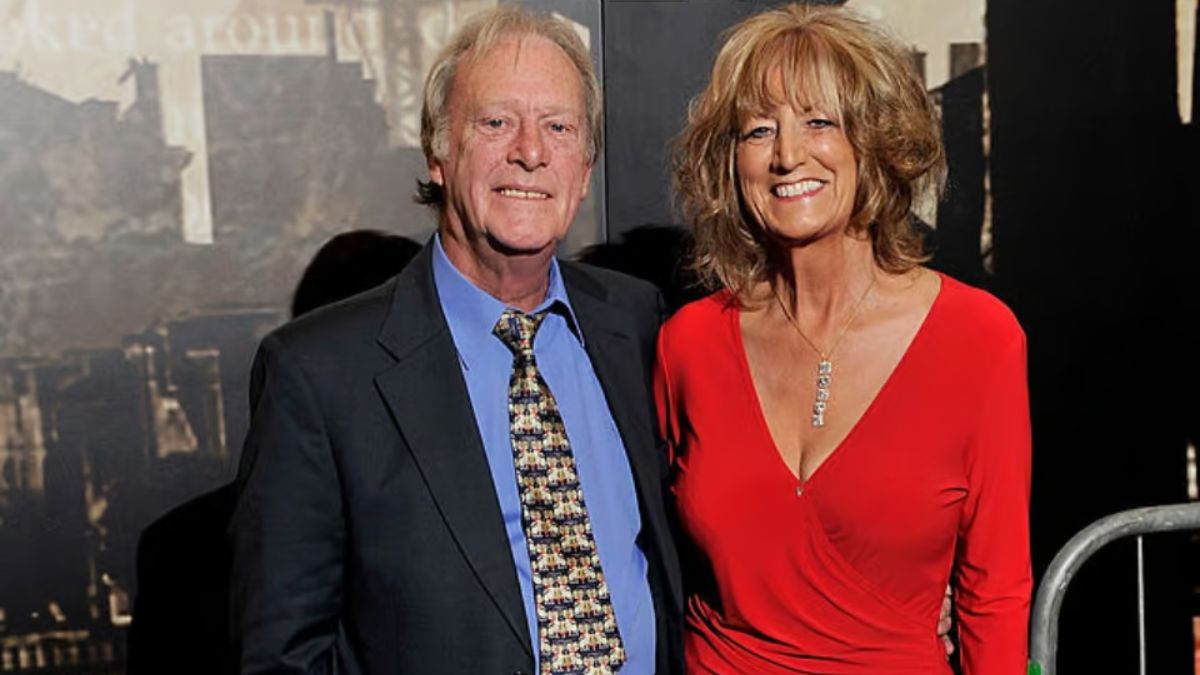
Richard Fairs is a name that resonates in the world of modern business and technology innovation. Over the past decades, he has carved out a niche as a visionary thinker, combining technical expertise with strategic insight. While many professionals in his field focus narrowly on technical execution, Fairs is distinguished by his ability to bridge the gap between technology, business, and human-centered design. This article delves deeply into his journey, achievements, philosophies, and the impact he has had on the sectors he has touched.
Early Life and Education
Richard Fairs’ story begins in a context that is both ordinary and inspiring. Born into a family that valued education and curiosity, Fairs developed an early interest in technology and problem-solving. Unlike many prodigies who show early brilliance, Fairs’ journey was characterized by steady growth, resilience, and a persistent curiosity about the world around him.
From his school years, he exhibited a keen interest in mathematics, science, and computer systems. These interests were not just academic—they reflected a genuine fascination with how things worked and how complex systems could be simplified. His teachers often noted his natural inclination toward analytical thinking, but it was his extracurricular curiosity, tinkering with gadgets and early computers, that set the foundation for his future career.
Fairs pursued formal education in computer science and business management, understanding early on that technical knowledge alone was not enough. By merging these disciplines, he positioned himself uniquely as someone who could not only develop technological solutions but also understand their implications in business and society. His educational journey provided him with a solid grounding in both theoretical frameworks and practical problem-solving techniques, which later defined his professional philosophy.
Career Beginnings and Early Achievements
After completing his education, Richard Fairs entered the professional world at a time when technology was evolving rapidly. His early career was marked by experimentation and learning across different sectors, including software development, data analytics, and digital strategy. Fairs quickly gained a reputation for his analytical rigor, problem-solving capabilities, and a rare talent for translating complex technological concepts into actionable business strategies.
In his initial roles, he focused on building systems that optimized operational efficiency for organizations. He was involved in projects ranging from automating processes to designing early software architectures. What set Fairs apart was not just his technical proficiency, but his ability to foresee the strategic impact of technology on long-term business objectives. His work caught the attention of senior executives and industry leaders, opening doors to more significant opportunities.
One of his early notable achievements was leading a cross-functional team to implement a large-scale digital transformation initiative for a mid-sized enterprise. Under his guidance, the company adopted innovative technologies that streamlined operations, improved customer engagement, and reduced costs. This project was widely recognized within industry circles as a benchmark for integrating technology and strategy—a theme that would recur throughout Fairs’ career.
Richard Fairs’ Philosophy on Technology and Innovation
Richard Fairs’ approach to technology goes beyond coding and algorithms. At the heart of his philosophy is the belief that technology should serve humanity, not merely efficiency or profit. He argues that innovation is meaningful only when it addresses real human needs and enhances quality of life. This perspective has influenced the projects he chooses, the teams he leads, and the solutions he develops.
Fairs emphasizes the importance of a human-centered design approach. For him, technology is most impactful when it considers user experience, accessibility, and social implications. He often speaks about the importance of empathy in innovation—understanding the pain points of users and stakeholders to create solutions that are not only functional but intuitive and empowering.
Another core principle is continuous learning. Fairs frequently highlights that the pace of technological change demands a mindset of perpetual curiosity. Whether it is artificial intelligence, cloud computing, or blockchain, he believes professionals must stay adaptable, learn constantly, and anticipate trends rather than react to them. This philosophy has made him not only a successful technologist but also a thought leader whose insights are widely respected in conferences, panels, and publications.
Major Projects and Contributions
Throughout his career, Richard Fairs has been associated with multiple high-profile projects that underscore his expertise in technology and strategic thinking. One of his hallmark contributions is in the field of digital transformation for enterprises. He has guided organizations through complex technology adoption processes, including the integration of AI-driven analytics, automation, and cloud-based systems.
In addition to corporate transformation, Fairs has been involved in innovation consulting for startups and mid-sized companies. He has a unique ability to identify market gaps, foresee technological trends, and design solutions that are scalable and sustainable. Many startups credit his mentorship and guidance as pivotal in shaping their product strategies and business models.
Another significant aspect of his contributions is thought leadership. Fairs frequently publishes articles and white papers on emerging technologies, ethics in AI, and digital strategy. His work often bridges the gap between theoretical research and practical application, offering insights that are actionable for both executives and technologists. He is known for making complex topics accessible, translating sophisticated ideas into frameworks that teams can implement effectively.
Leadership Style and Influence
Richard Fairs is not only a technologist but also a transformative leader. His leadership style combines strategic vision with empathetic management. He is known for fostering collaborative environments where innovation can thrive. Unlike leaders who rely solely on authority, Fairs emphasizes mentorship, open communication, and shared problem-solving.
He encourages teams to experiment and learn from failures, viewing mistakes as opportunities for growth. This approach has built resilient, high-performing teams that are capable of navigating the challenges of rapidly changing technological landscapes. Many professionals who have worked under his guidance describe him as both inspiring and approachable—a rare combination that strengthens organizational culture.
Fairs’ influence extends beyond his immediate teams. His thought leadership, public speaking, and consultancy roles have impacted a wide range of industries, from finance and healthcare to technology and education. He inspires professionals to think critically about the intersection of technology, ethics, and business strategy, advocating for solutions that are innovative, practical, and responsible.
Awards and Recognitions
Over the years, Richard Fairs has received multiple accolades for his contributions to technology and business innovation. While he is known for his humility, these recognitions highlight his impact on the industry. Awards often emphasize his ability to blend technical excellence with strategic foresight, his contributions to digital transformation, and his mentorship of emerging professionals.
He has been invited as a keynote speaker at major technology conferences and business forums, where his insights on innovation, digital strategy, and leadership are highly sought after. These platforms have allowed him to influence broader conversations about the future of technology, ethics, and organizational growth.
Personal Life and Interests
Outside his professional endeavors, Richard Fairs maintains a rich personal life that reflects his curiosity and creativity. He is known for engaging in activities that broaden his perspective, from reading extensively on diverse subjects to exploring art and culture. These interests inform his professional philosophy, reinforcing the idea that innovation is most effective when informed by a wide understanding of the human experience.
Fairs also dedicates time to mentorship and community engagement. He actively supports educational initiatives and startups, believing in the power of knowledge sharing. For him, success is not only measured by personal achievements but also by the positive impact he can create for others in his community and industry.
Legacy and Future Vision
Richard Fairs’ legacy is still evolving, but it is already evident in the lasting impact he has made across industries. His work demonstrates that technology, when applied thoughtfully, can create meaningful change. He leaves behind a blueprint for future leaders—emphasizing ethical innovation, continuous learning, and the importance of human-centered design.
Looking ahead, Fairs continues to explore emerging technologies, particularly in AI, machine learning, and sustainable tech solutions. He envisions a future where innovation aligns with societal well-being, emphasizing the responsibility of technologists to balance progress with ethics. His ongoing projects suggest that he will remain a central figure in shaping how organizations and societies navigate technological transformation in the coming decades.
Conclusion
Richard Fairs exemplifies the blend of technical expertise, strategic insight, and human-centered leadership that defines a modern innovator. From his early curiosity about technology to his influential career in digital transformation and thought leadership, he has consistently demonstrated an ability to see beyond immediate challenges and envision long-term impact. His work serves as an inspiration to technologists, business leaders, and innovators alike, highlighting that meaningful innovation is grounded in empathy, foresight, and an unrelenting commitment to learning.