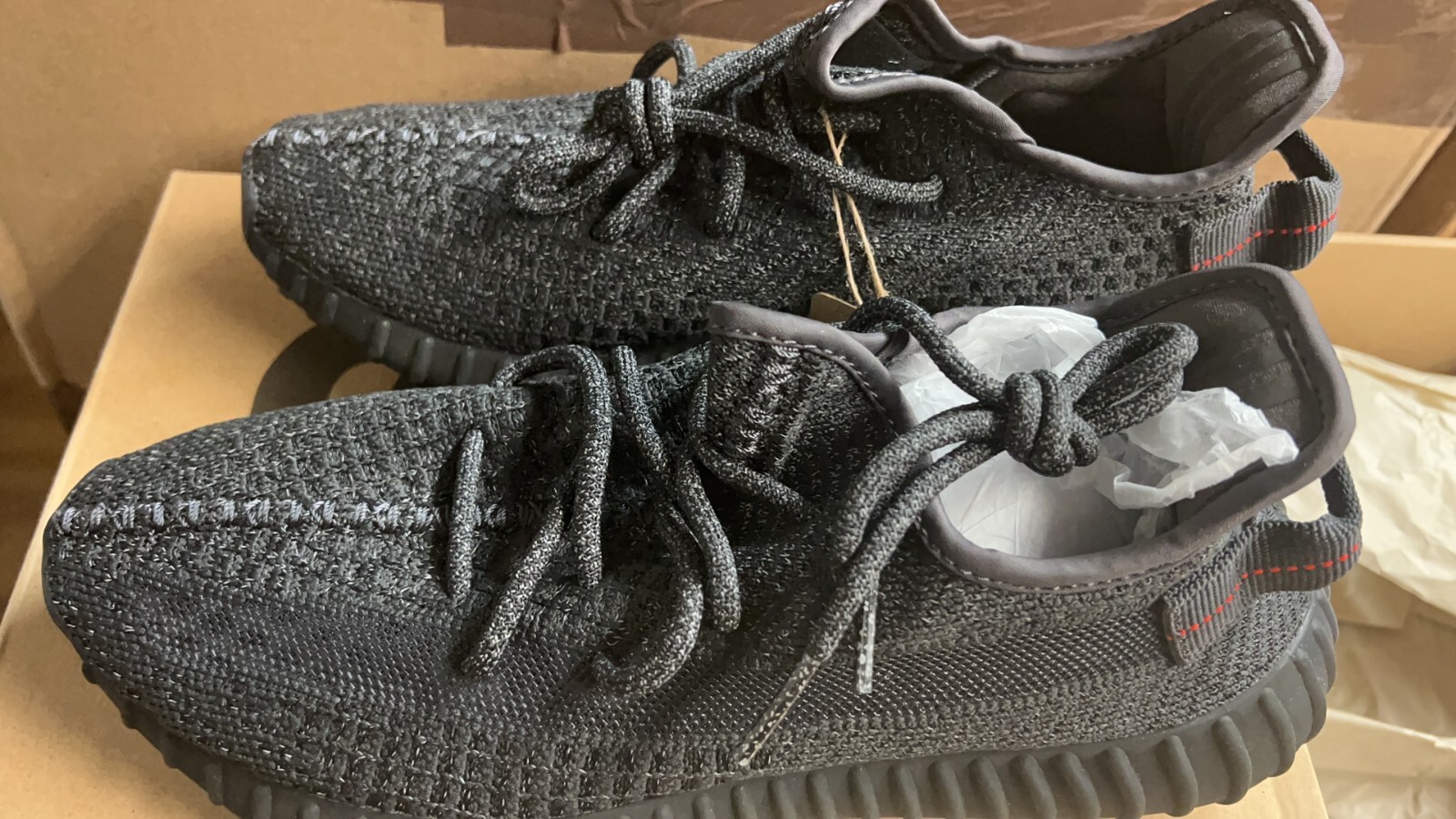
Introduction to yeezy supply
Yeezy Supply is more than just an online store. Over the years, it became a symbol of modern streetwear, hype-driven commerce, and the evolving relationship between fashion, music, and digital retail. While many people associate YeezySupply purely with Kanye West’s Yeezy brand, the platform itself played a much larger role in shaping how limited-edition products are launched and consumed in the internet age.
This article explores Yeezy Spply from every angle—its origins, its role in sneaker culture, its unique business model, its impact on fans and resellers, and its lasting influence on the fashion industry. Whether you are a sneaker enthusiast, a fashion observer, or simply curious about how hype-driven brands operate, Yeezy Spply offers a fascinating case study.
The Origins of Yeezy Supply and Its Vision
Yeezy Supply was launched as a dedicated digital storefront for Kanye West’s Yeezy brand, designed to bypass traditional retail systems and connect directly with consumers. From the beginning, the platform reflected Kanye’s desire for creative control, minimalism, and disruption. Rather than relying solely on established sneaker retailers, Yeezy upply allowed the brand to tell its own story on its own terms.
In its early days, Yeezy Suply functioned primarily as a hub for exclusive product drops. It wasn’t meant to feel like a conventional e-commerce website filled with categories, filters, and endless product pages. Instead, the platform was intentionally stripped down, focusing attention on a single release at a time. This approach aligned perfectly with the Yeezy brand’s aesthetic—clean, neutral, and intentional.
The vision behind Yeezy Suply went beyond selling shoes or clothing. It was about creating an experience. Every drop felt like an event, often accompanied by mystery, limited information, and sudden availability. This unpredictability made fans feel emotionally invested, checking the site repeatedly and sharing updates across social media platforms.
By positioning itself as a direct-to-consumer channel, Yeezy Suply also challenged the traditional retail hierarchy. It demonstrated that a brand with enough cultural power could thrive without heavy reliance on physical stores or third-party sellers, paving the way for similar models in the fashion industry.
Yeezy Supply’s Role in Modern Sneaker Culture
Sneaker culture has always thrived on exclusivity, storytelling, and community, and Yeezy Supply amplified all three. The platform became a central destination for sneakerheads seeking the latest Yeezy releases, often competing with thousands—sometimes millions—of other buyers worldwide.
What made Yeezy Suply unique was its ability to turn scarcity into excitement. Limited stock, unpredictable restocks, and sudden drops created a sense of urgency that few other platforms could match. For many fans, successfully purchasing from Yeezy Suply felt like winning a competition rather than completing a simple transaction.
This dynamic significantly influenced sneaker culture by normalizing the idea of online “drops” rather than traditional store releases. Consumers adapted to waiting rooms, countdown timers, and refresh battles, all of which became standard practices across the sneaker industry. Yeezy Spply helped set the tone for how high-demand products are released in the digital era.
Additionally, Yeezy Supply blurred the lines between fashion and fandom. Purchasing a pair of Yeezys wasn’t just about owning shoes—it was about participating in a cultural moment. Fans shared screenshots, unboxing videos, and personal stories tied to each release, reinforcing the emotional connection between the brand and its audience.
Over time, Yeezy Supply became a benchmark. Other brands observed its success and adopted similar strategies, further embedding drop culture into mainstream fashion and streetwear.
The Website Design and User Experience Philosophy
One of the most talked-about aspects of Yeezy Supply was its website design. Unlike most e-commerce platforms that prioritize convenience and product variety, Yeezy Supply embraced minimalism and intentional friction. The site often displayed very little information, forcing users to stay alert and engaged.
This design philosophy was not accidental. By limiting distractions, Yeezy Supply directed all attention toward the product itself. The absence of clutter made each item feel more important, more artistic, and more deliberate. In many ways, the website mirrored the Yeezy design language seen in the products—clean lines, neutral tones, and a focus on form.
However, this minimalism also led to frustration. Long loading times, virtual queues, and sudden sellouts tested users’ patience. Despite this, or perhaps because of it, the experience became memorable. The challenge of navigating Yeezy Supply added to the sense of accomplishment when a purchase was successful.
The platform also experimented with different release formats, including surprise drops and restocks without prior announcements. These tactics kept users constantly engaged and returning to the site, unsure of when the next opportunity might appear.
From a business perspective, Yeezy Supply demonstrated that user experience doesn’t always have to prioritize ease. In certain cultural contexts, controlled difficulty can actually enhance desirability and brand loyalty.
Yeezy Supply and the Resale Market Influence
The resale market is an unavoidable part of sneaker culture, and Yeezy Supply played a major role in fueling it. Due to limited availability and high demand, many Yeezy products quickly appeared on resale platforms at significantly higher prices.
This phenomenon transformed Yeezy Supply into more than a retail site—it became a gateway to economic opportunity for resellers. For some individuals, securing a pair of Yeezys was not about personal wear but about profit. The platform’s scarcity-driven model made resale not only possible but highly lucrative.
At the same time, this dynamic created tension within the community. Genuine fans often felt frustrated by bots, bulk buyers, and resellers dominating releases. Yeezy Supply attempted various methods to address this, including queue systems and purchase limits, but the issue remained a persistent challenge.
Despite these concerns, the resale market also amplified the Yeezy brand’s perceived value. High resale prices reinforced the idea that Yeezy products were not ordinary footwear but cultural assets. This perception further increased demand, creating a self-sustaining cycle of hype.
In many ways, Yeezy Supply unintentionally became a case study in modern supply-and-demand economics, demonstrating how controlled scarcity can shape entire secondary markets.
Cultural Impact Beyond Fashion
Yeezy Supply’s influence extended far beyond sneakers and clothing. It became part of a broader cultural conversation about art, celebrity, and consumer behavior. Kanye West’s involvement ensured that every release carried artistic and personal significance, often tied to music, personal philosophy, or social commentary.
The platform also reflected changing attitudes toward ownership and identity. Wearing Yeezy products purchased through Yeezy Supply became a form of self-expression, signaling alignment with a particular aesthetic and mindset. For many fans, it was about more than fashion—it was about belonging.
Social media amplified this impact. Screenshots of successful checkouts, shipping confirmations, and delivered packages flooded platforms like Twitter and Instagram. Yeezy Supply drops became shared experiences, uniting strangers through anticipation and excitement.
Additionally, Yeezy Supply influenced how consumers perceive value. The platform challenged traditional notions of pricing by proving that emotional connection and cultural relevance can outweigh material cost. People weren’t just buying shoes; they were buying into a story.
This cultural reach solidified Yeezy Supply’s place in the history of modern fashion, making it a reference point for future brands seeking to blend art, commerce, and community.
The Evolution and Challenges of Yeezy Supply
As Yeezy Supply evolved, it faced both growth opportunities and significant challenges. Increased traffic placed technical strain on the platform, leading to occasional crashes and checkout issues. These technical hurdles became part of the Yeezy Supply narrative, sometimes criticized but often expected.
Another challenge was maintaining exclusivity while expanding reach. As Yeezy products became more widely available through other retailers, Yeezy Supply had to redefine its role. The platform shifted between being a primary release channel and a complementary one, depending on the product and timing.
Public perception also evolved. While early adopters praised the platform’s innovation, later audiences became more critical of accessibility and fairness. These conversations reflected broader debates within sneaker culture about inclusivity versus exclusivity.
Despite these challenges, Yeezy Supply remained relevant by staying true to its core identity. It never attempted to become a conventional online store. Instead, it embraced its role as a cultural platform, accepting both praise and criticism as part of the process.
This willingness to remain unconventional ultimately preserved Yeezy Supply’s authenticity, even as the fashion landscape continued to change.
Yeezy Supply’s Lasting Legacy in Digital Retail
The legacy of Yeezy Supply lies in its ability to redefine expectations. It showed that a retail platform could be minimalist, unpredictable, and culturally driven while still achieving massive success. Many modern fashion brands now adopt similar strategies, from limited drops to direct-to-consumer models.
Yeezy Supply also influenced how brands think about storytelling. Every release felt intentional, often tied to a broader narrative rather than seasonal trends. This approach encouraged consumers to engage emotionally rather than transactionally.
From a technological perspective, the platform demonstrated both the power and limitations of hype-based commerce. While it generated immense demand, it also highlighted the importance of infrastructure, fairness, and user trust in high-traffic environments.
Perhaps most importantly, Yeezy Supply proved that digital spaces can carry cultural weight. A website, when designed with purpose and vision, can become as influential as a physical store or runway show.
Even as the fashion industry continues to evolve, the impact of Yeezy Supply remains visible in how brands launch products, engage communities, and create meaning beyond merchandise.
Conclusion
Yeezy Supply was never just a place to buy shoes. It was an experiment in modern branding, a reflection of cultural momentum, and a blueprint for how fashion and technology can intersect. Its success—and its controversies—offer valuable lessons for brands, creators, and consumers alike.
By prioritizing experience over convenience, storytelling over saturation, and culture over tradition, Yeezy Supply carved out a unique place in fashion history. Whether admired or criticized, its influence is undeniable.
As streetwear and digital retail continue to grow, the principles behind Yeezy Supply remain relevant. It showed that when a brand understands its audience and commits fully to its vision, it can reshape an entire industry—one drop at a time.