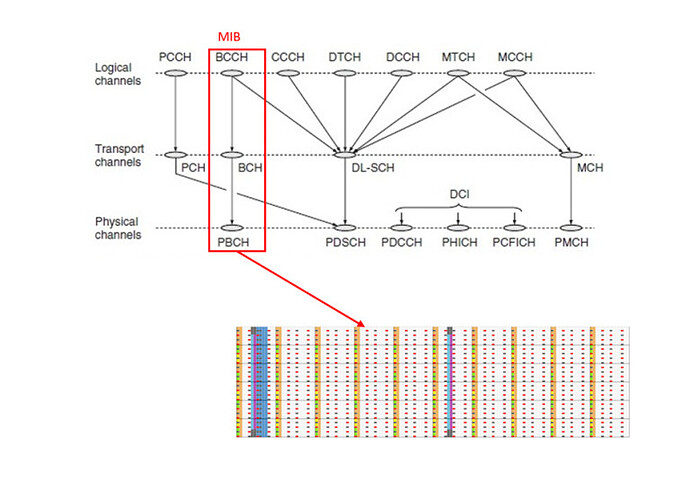
The term Master Information Block is widely used in information systems, telecommunications, data management, and digital infrastructure. Although it may sound technical at first, the concept plays a vital role in organizing, storing, and distributing critical information efficiently. Whether in modern communication networks or large-scale data environments, a master information block acts as a central source of essential information that other components rely upon.
As businesses and technology systems become increasingly interconnected, the need for structured information management has grown significantly. A master information block helps maintain consistency, accuracy, and accessibility across different systems and platforms. It ensures that all connected processes have access to the same foundational data.
Understanding how a master information block works can provide valuable insights into data organization, system reliability, and operational efficiency. This article explores the concept in detail, explaining its functions, benefits, applications, and future relevance.
What Is a Master Information Block?
A master information block is essentially a central collection of critical data that serves as a reference point for other processes, systems, or users. It contains key information required for proper operation, communication, or decision-making within a specific environment.
In telecommunications, for example, a master information block may include essential network parameters that devices need in order to connect and communicate effectively. Without this foundational information, devices would struggle to establish reliable connections or access network resources.
In data management systems, the concept is similar. A master information block can store primary records, identification details, configuration settings, or operational guidelines. These elements become the authoritative source that other databases or applications reference when performing tasks.
The primary purpose of a master information block is to eliminate inconsistencies and ensure that everyone works from the same set of verified information. This improves accuracy while reducing confusion and duplication.
Key Components of a Master Information Block
Every master information block contains specific elements that support its functionality. While the exact structure may vary depending on the industry or application, certain core components are commonly found.
One important component is identification data. This information helps systems recognize and verify the source of the block. Identification details ensure that the correct information is being accessed and utilized by connected processes.
Another essential element is configuration information. These settings define how systems should operate, communicate, or process data. Configuration parameters help maintain consistency across multiple devices or applications.
A master information block often includes status information as well. This allows systems to determine whether resources are available, active, or functioning correctly. Status indicators contribute to better monitoring and management.
Security-related data may also be included. Authentication parameters, permissions, and access controls help protect sensitive information while ensuring authorized users can access necessary resources.
Together, these components create a comprehensive information package that supports reliable system operation.
Why Master Information Blocks Are Important
The importance of a master information block cannot be overstated. In complex environments, multiple systems often depend on accurate information to function correctly. A centralized information source reduces the risk of errors and improves overall efficiency.
One major advantage is consistency. When all systems reference the same master information block, discrepancies between databases or applications are minimized. This leads to better coordination and fewer operational issues.
Reliability is another significant benefit. Since critical information is maintained in a central location, updates can be managed more effectively. Changes made to the master information block can be distributed consistently across all connected systems.
Efficiency also improves dramatically. Employees, applications, and devices spend less time searching for information because the required data is readily available from a trusted source. This streamlined access supports faster decision-making and smoother workflows.
Additionally, master information blocks help organizations maintain compliance and governance standards by ensuring that approved information remains accurate and accessible.
Applications of Master Information Blocks in Technology
Master information blocks are used across various technological fields. Their flexibility and effectiveness make them valuable in numerous environments where information management is critical.
In telecommunications networks, they provide essential configuration data that mobile devices need to connect to network infrastructure. These blocks help devices identify network characteristics and establish communication channels.
Within enterprise software systems, master information blocks often contain customer records, product information, or operational data. Business applications rely on this information to perform transactions, generate reports, and support customer interactions.
Cloud computing platforms also benefit from centralized information structures. Configuration settings, security policies, and resource allocation details can be managed through master information blocks to ensure consistency across distributed environments.
Industrial automation systems use master information blocks to coordinate machinery, sensors, and control systems. Accurate information sharing improves production efficiency and reduces operational disruptions.
The widespread use of these blocks demonstrates their versatility and importance in modern technology ecosystems.
Benefits of Implementing a Master Information Block
Organizations that implement master information blocks often experience significant operational improvements. These benefits extend across productivity, accuracy, security, and scalability.
One key advantage is improved data quality. Since information is maintained in a single authoritative source, duplicate or conflicting records are less likely to occur. This leads to more accurate reporting and better business decisions.
Scalability is another important benefit. As organizations grow, managing information across multiple systems becomes increasingly challenging. A master information block provides a structured foundation that supports expansion without sacrificing consistency.
Security is enhanced because sensitive information can be managed through centralized controls. Access permissions and authentication settings can be applied uniformly, reducing the likelihood of unauthorized access.
Cost savings also result from improved efficiency. Employees spend less time correcting errors, reconciling data discrepancies, or searching for information. This allows resources to be allocated more effectively toward strategic initiatives.
Overall, master information blocks contribute to stronger operational performance and long-term organizational success.
Challenges Associated with Master Information Blocks
Despite their many advantages, master information blocks are not without challenges. Organizations must address several considerations to ensure successful implementation and maintenance.
One common challenge is data governance. Since the master information block serves as the primary source of information, strict controls are necessary to maintain accuracy and integrity. Poor governance can lead to widespread errors across connected systems.
Integration can also be complex. Different applications may use varying data formats or communication protocols, making synchronization difficult. Careful planning is required to ensure seamless interaction between systems.
Another concern involves security risks. Because the master information block contains critical information, it can become a target for cyberattacks. Organizations must implement strong security measures to protect this valuable resource.
Maintenance requirements should not be overlooked either. Information must be updated regularly to remain relevant and accurate. Continuous monitoring and quality assurance processes help preserve the effectiveness of the master information block.
Addressing these challenges proactively enables organizations to maximize the benefits while minimizing potential risks.
The Future of Master Information Blocks
As digital transformation continues to accelerate, the role of master information blocks is expected to become even more significant. Emerging technologies such as artificial intelligence, machine learning, and the Internet of Things rely heavily on accurate and accessible data.
Future master information blocks will likely become more intelligent and automated. Advanced systems may automatically validate, update, and distribute information without requiring extensive human intervention. This will improve efficiency while reducing the likelihood of errors.
Cloud-based architectures will further enhance accessibility and scalability. Organizations will be able to manage master information across global operations while maintaining consistency and security.
Real-time data synchronization will also become increasingly important. Modern businesses require immediate access to current information, and future master information blocks will support faster updates and more responsive decision-making.
As technology evolves, master information blocks will remain a foundational element of effective information management, helping organizations navigate increasingly complex digital environments.
Conclusion
A master information block serves as a centralized repository of essential data that supports communication, coordination, and operational efficiency across systems. By providing a single source of truth, it helps maintain consistency, improve reliability, and streamline access to critical information.
From telecommunications and enterprise software to cloud computing and industrial automation, master information blocks play a crucial role in modern technology infrastructures. Their ability to enhance data quality, security, and scalability makes them invaluable for organizations of all sizes.
While implementation requires careful planning and ongoing management, the benefits far outweigh the challenges. As digital ecosystems continue to expand, the importance of master information blocks will only grow, making them a key component of future information management strategies.
master information block